During the spring forest regeneration campaign, 6.4 million container-grown seedlings are planned to be planted
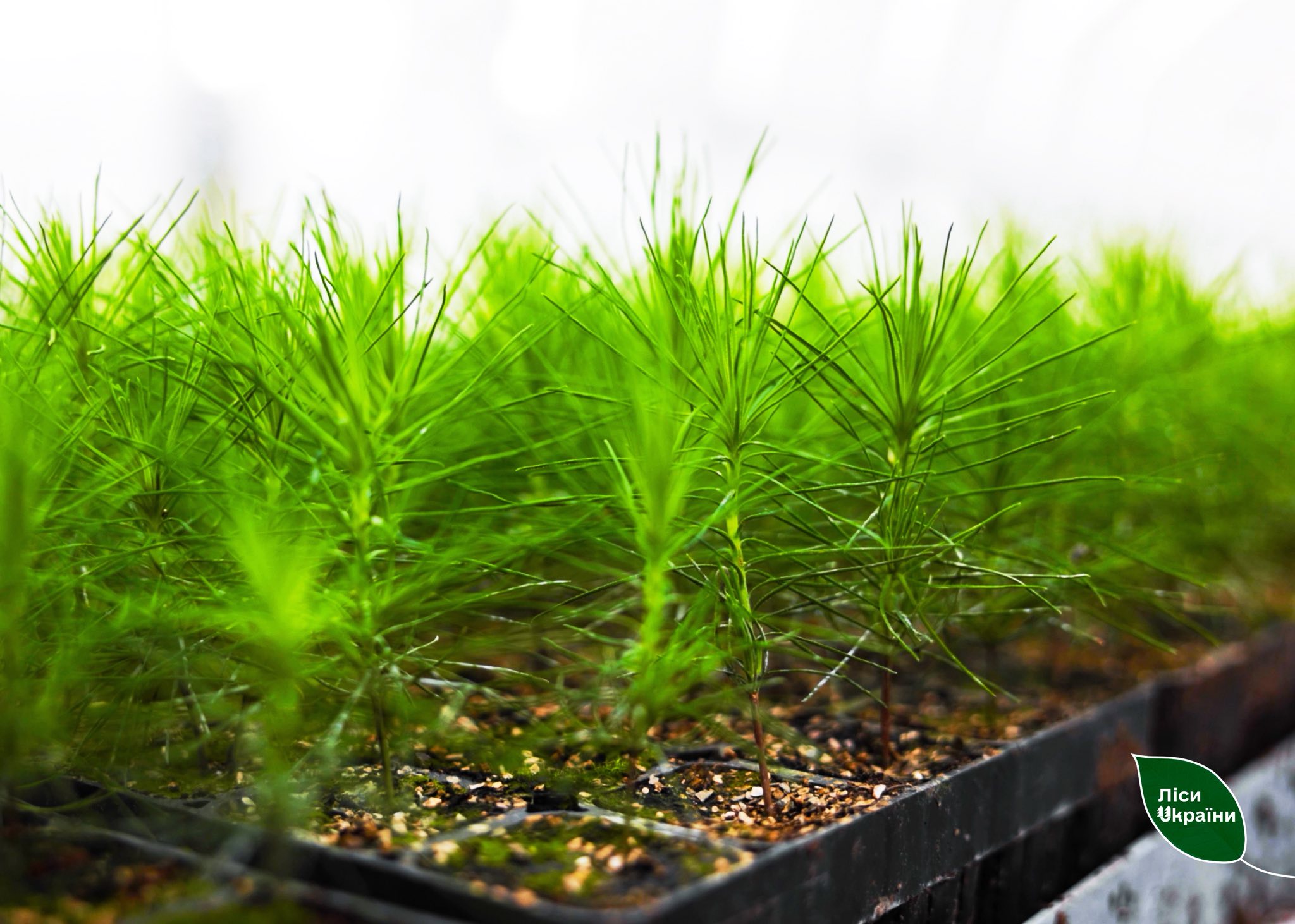
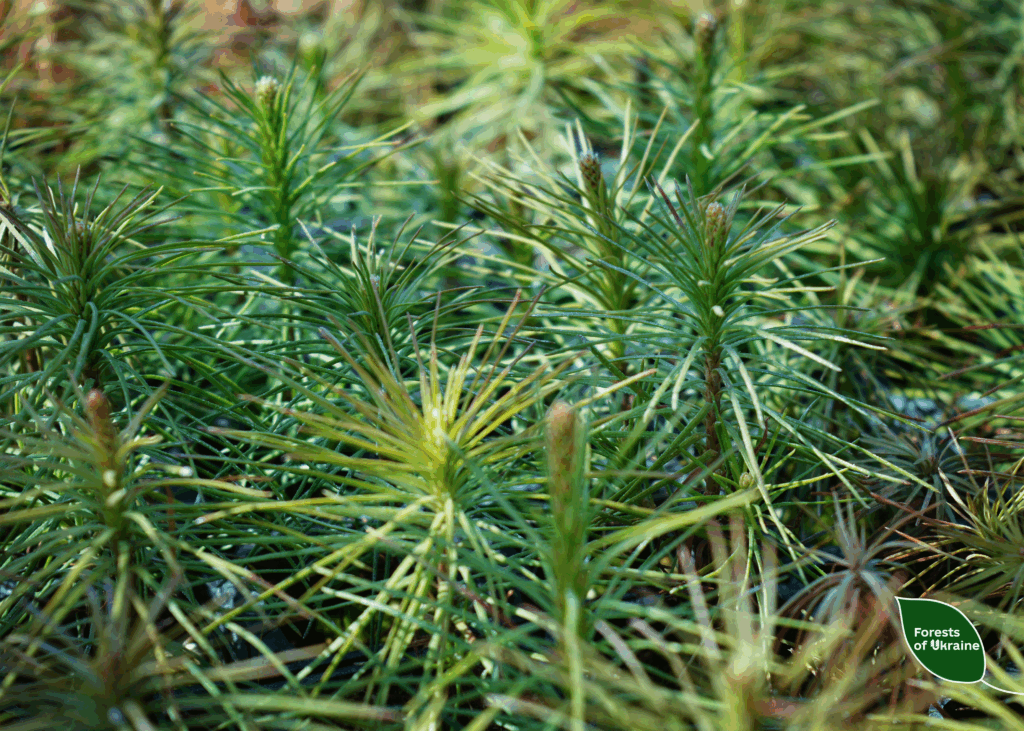
This planting material was grown last year in our forest nurseries. It includes seedlings of the main forest-forming species — Scots pine, Pallas pine, pedunculate oak, as well as European larch and silver fir. All container-grown seedlings were cultivated taking into account the needs of different regions.
To ensure that the seedlings grown last year reach the areas designated for afforestation this spring, they have undergone a full cultivation cycle: from sowing seeds into special trays to forming a strong root system in a nutrient-rich substrate.
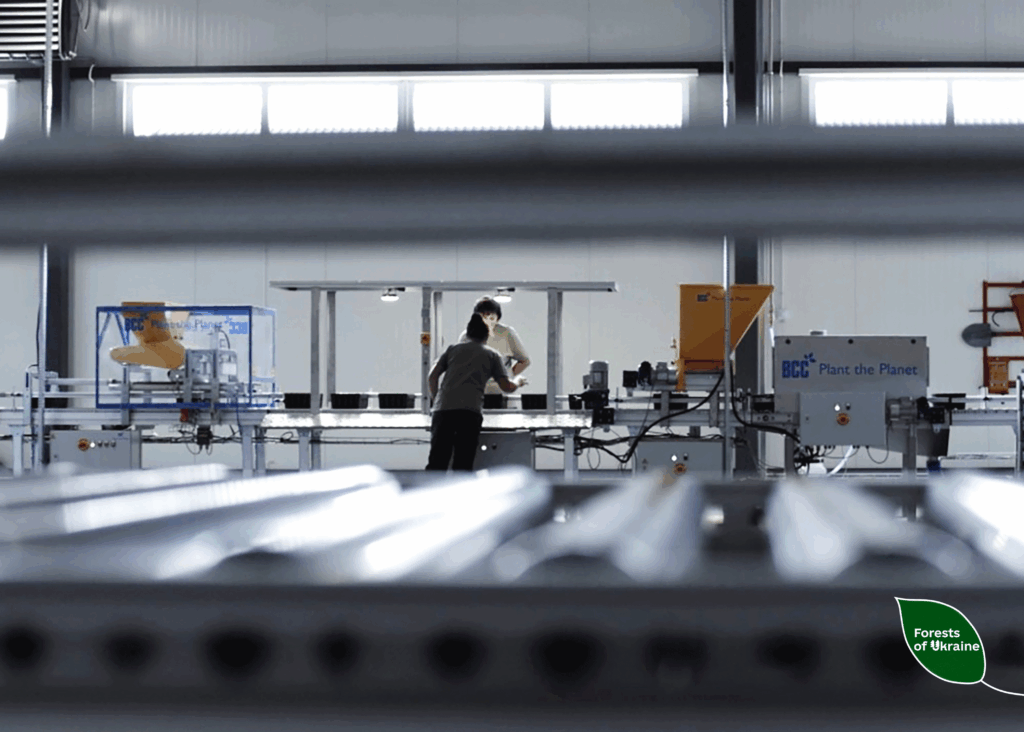
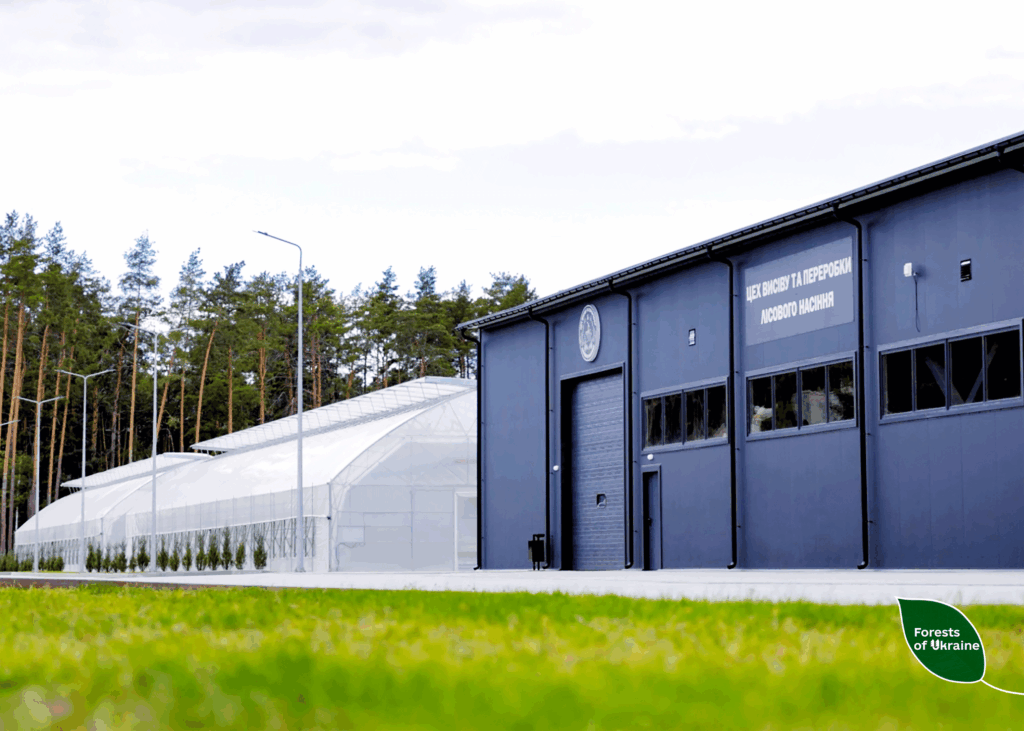
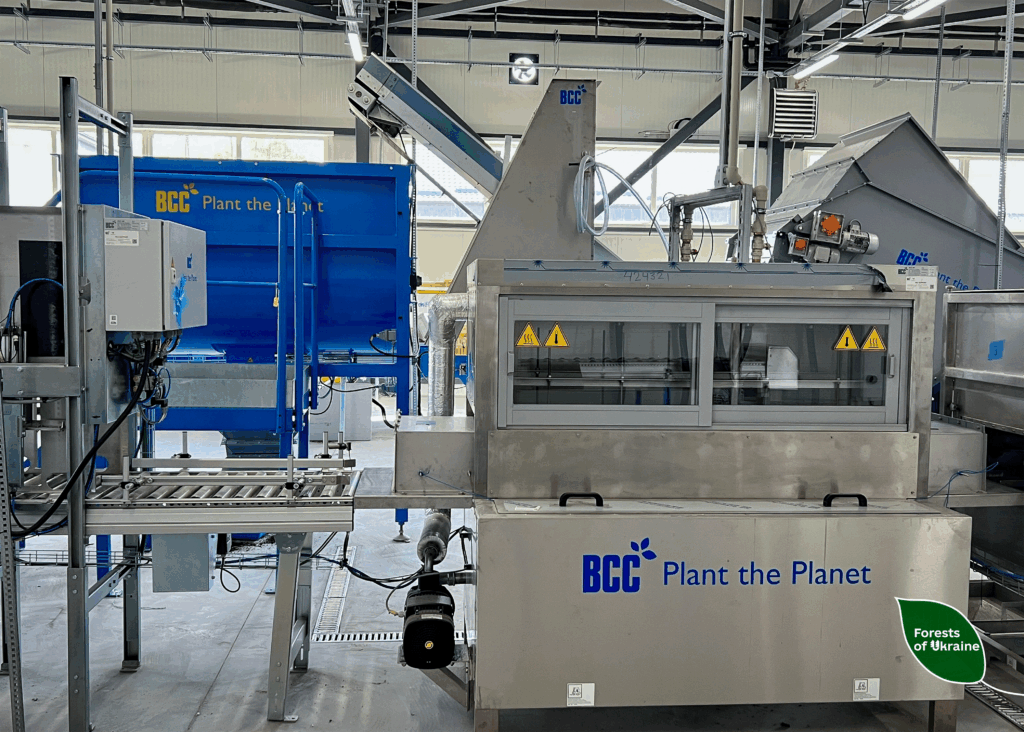
First, forest seed material is processed in cone-drying facilities. The extracted seeds are then cleaned and calibrated. After that, they pass through a sowing line and are placed into trays filled with a nutrient-rich substrate.
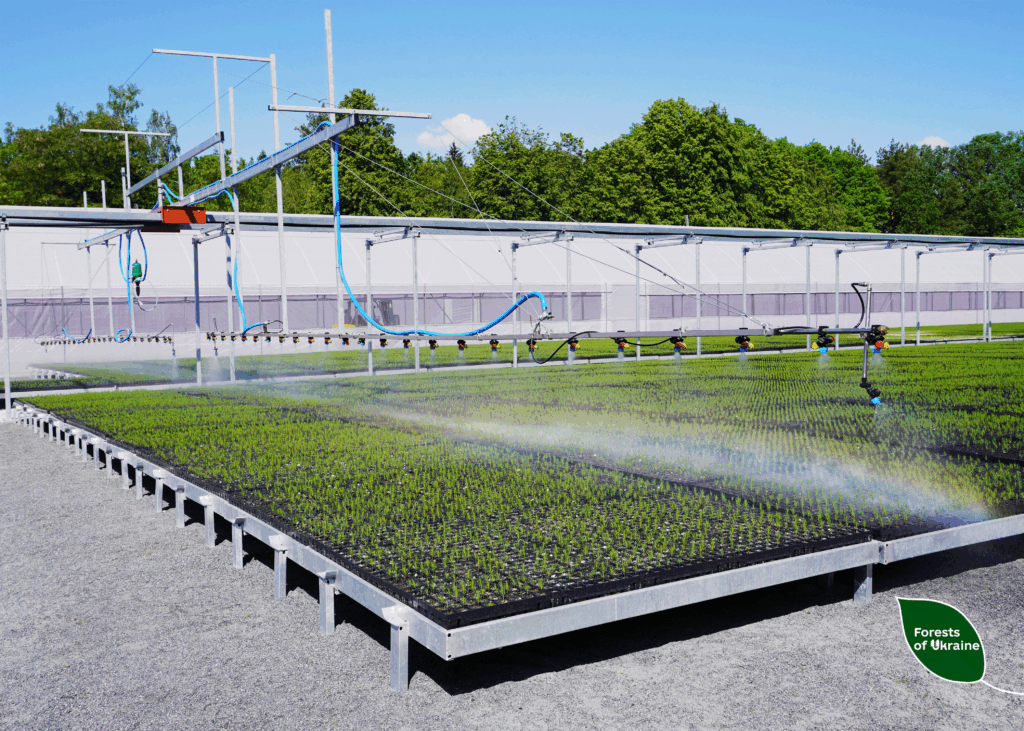
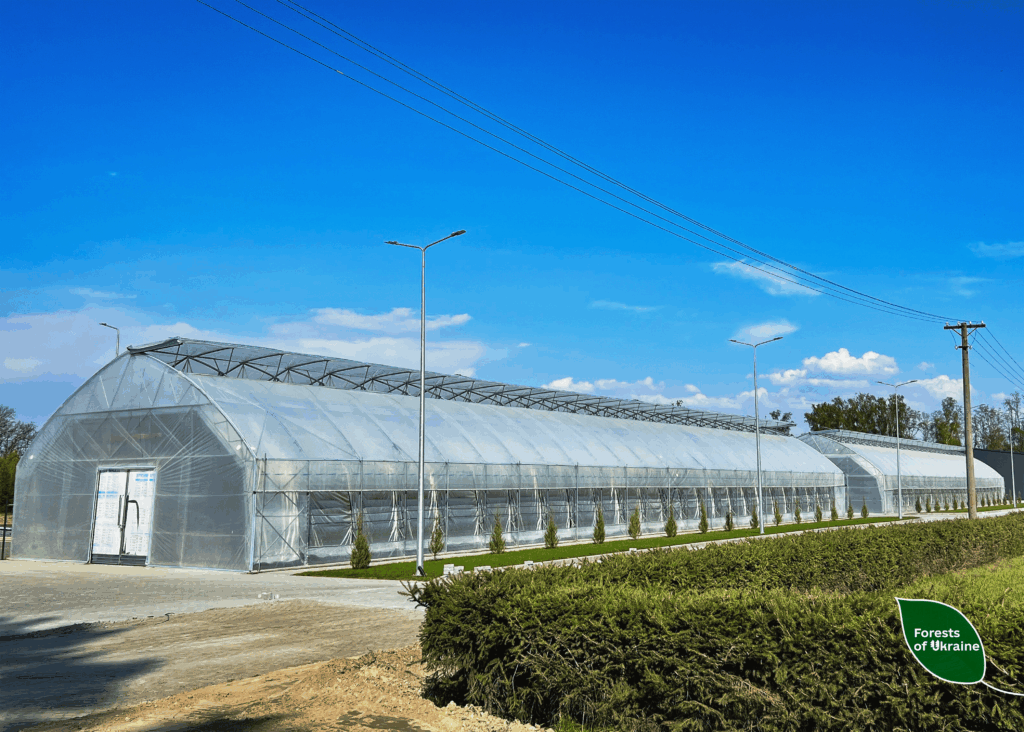
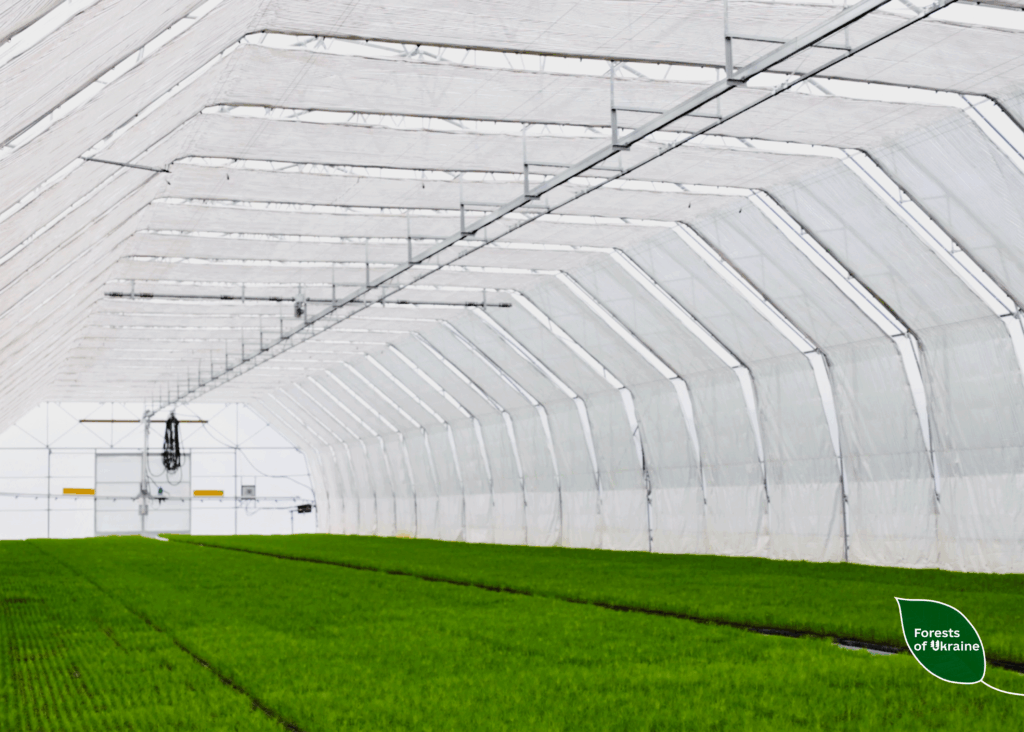
The seeded trays are moved to greenhouses for three to four weeks, where the required temperature is maintained. To support seedling development, an automated irrigation system operates, providing mechanized watering according to a pre-set schedule.
After germination in the greenhouses, the seedlings are transferred to growing fields — specially equipped open-ground areas where they adapt further and prepare for planting directly in the forest. In autumn, foresters insulate the trays with cassettes placed outdoors using protective material around the perimeter, which stabilizes the temperature in the root zone.
Continuous and proper care allowed the planting material to be fully preserved throughout the cold winter period until spring. As a result, we obtained high-quality seedlings with improved genetic and breeding characteristics, high survival rates, and resistance to adverse weather conditions.
Transportation from forest nurseries to afforestation sites has already begun and will continue throughout the entire forest regeneration campaign.
Container-grown seedlings tolerate transportation over long distances well. The main reason is that their roots remain in a special substrate that retains moisture and protects the root system from drying out, mechanical damage, and temperature fluctuations.
This year, our forest seed and breeding centers plan to grow 13 million container-grown seedlings. Sowing takes place in several stages during the spring. Some of the seedlings will be used during the autumn planting campaign, while others will be planted in the spring of the following year. Currently, sowing and the placement of trays in greenhouses are underway in the nurseries.
Starting in 2027, the branch “Forest Reproductive Resources” plans to significantly increase the number of container-grown seedlings to 19 million, and in 2028 — to at least 25.4 million.
This will be made possible by expanding sowing areas. For this purpose, 20 growing fields and 8 greenhouses are planned to be constructed in different forest nurseries.
Thanks to this expansion, our forest nurseries will also be able to significantly broaden the range of tree species grown as container seedlings.