Close-to-nature forestry: a new philosophy of forest management
Most forests in Ukraine and Europe are artificial and often consist of a single tree species. In past centuries, forests were perceived as timber factories – a source of raw material for industry and construction.
However, nature cannot be deceived: artificial forests are unstable, vulnerable to diseases and pests, suffer from wildfires, and require clear-cutting.
In recent decades, European countries have been abandoning “industrial” forestry and shifting to close-to-nature forestry.
This means:
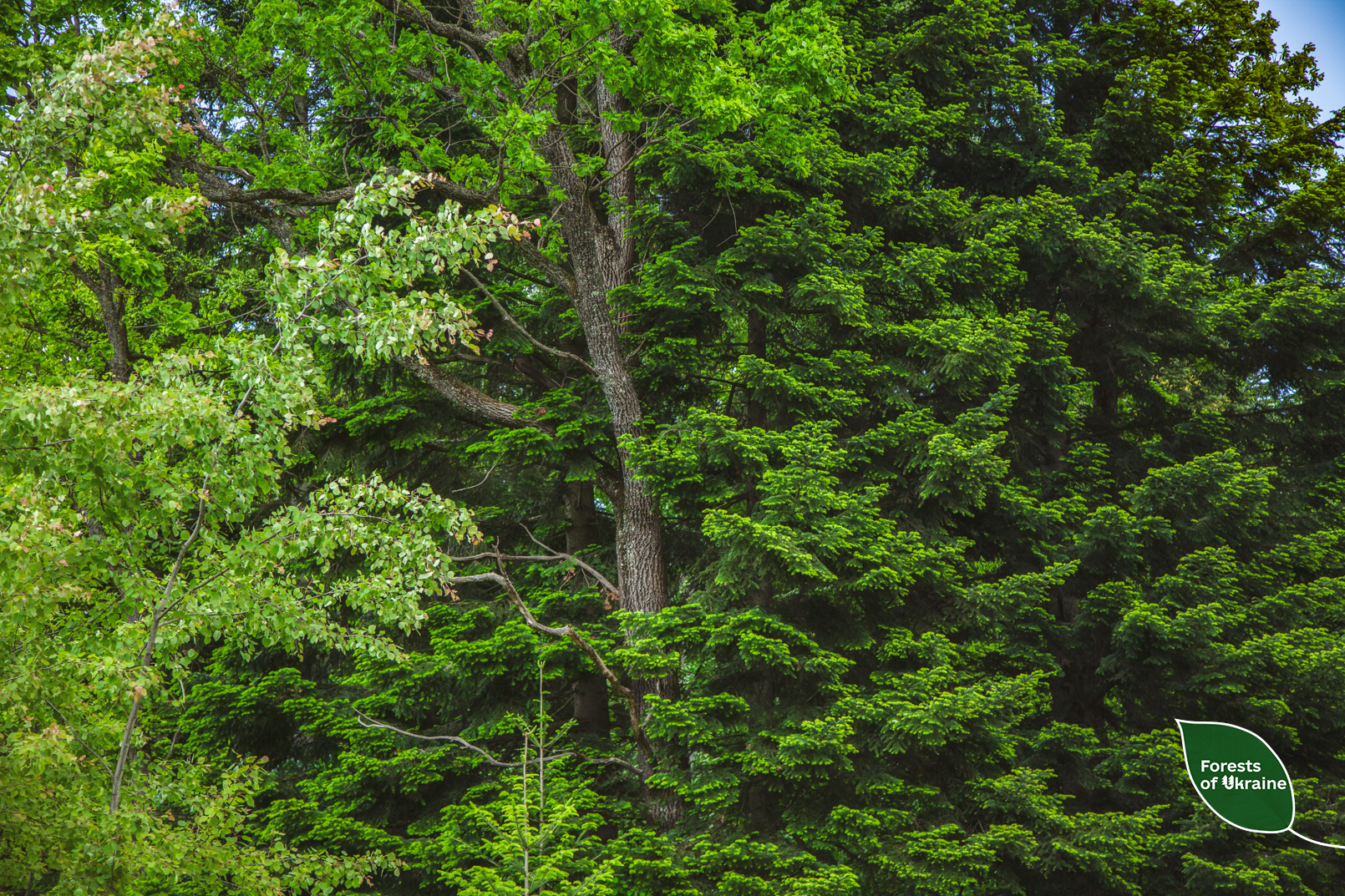
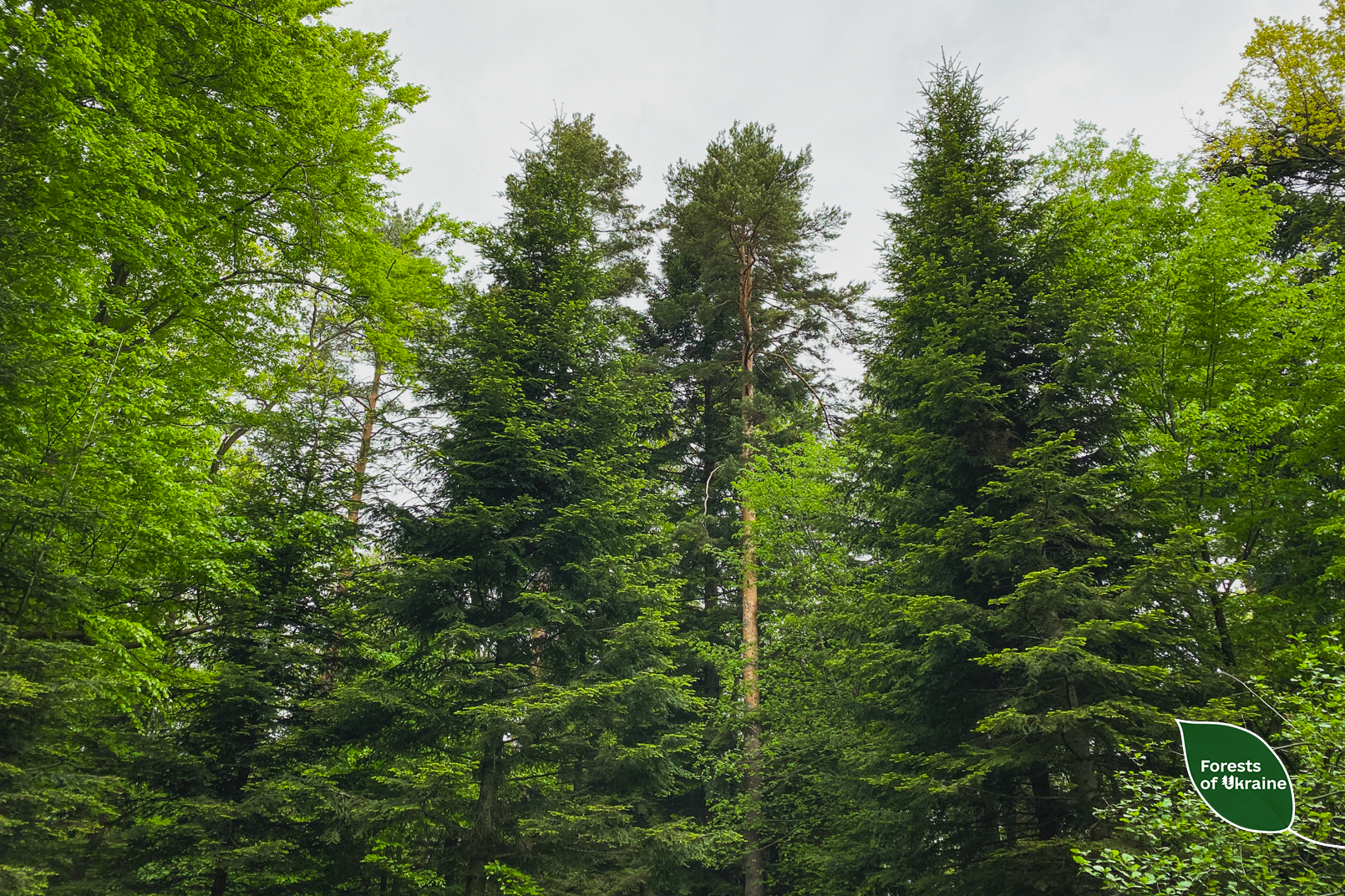
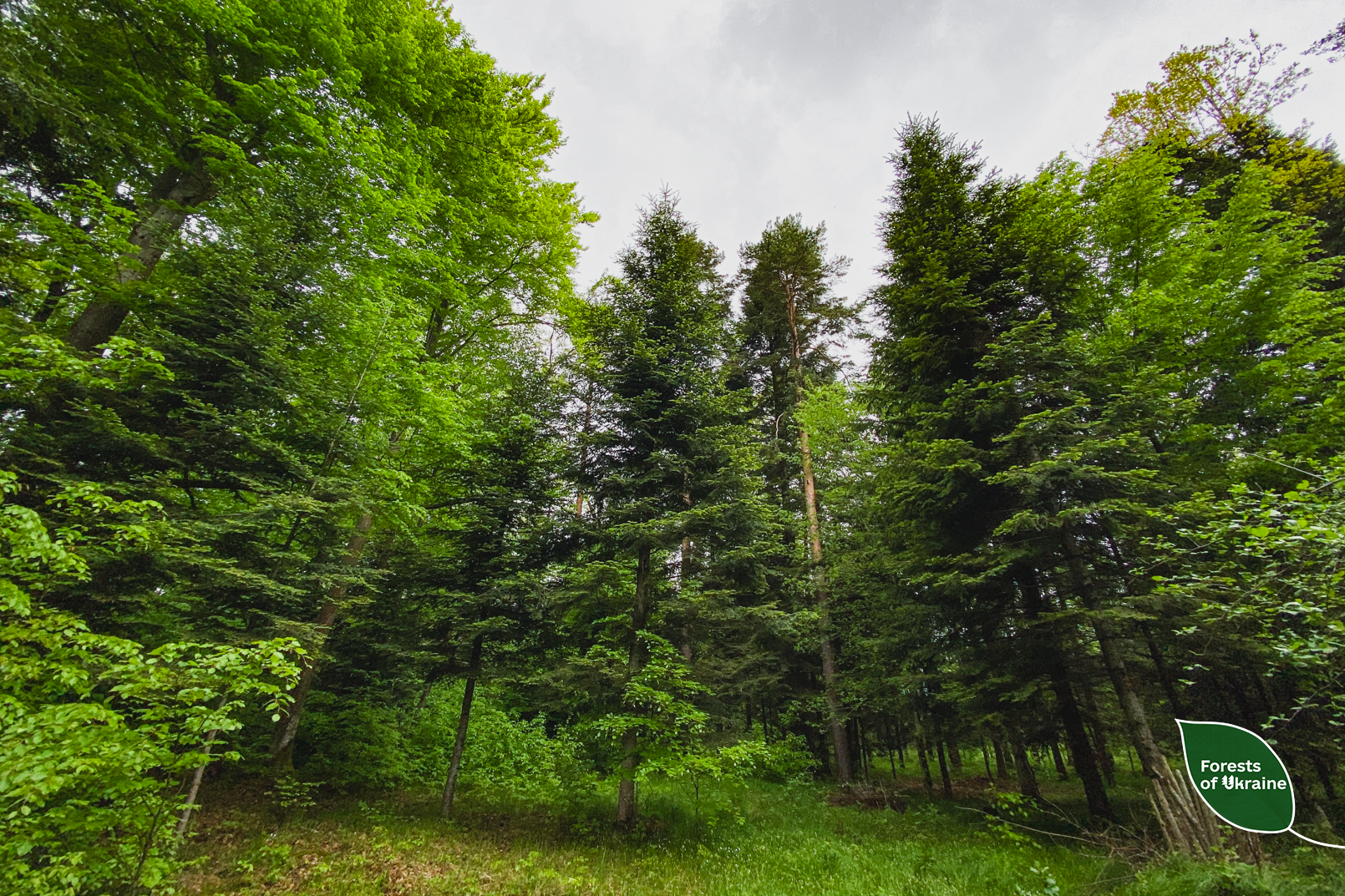
– creating more resilient, natural forests with mixed and uneven-aged structures close to natural ones;
– applying selective fellings instead of clear-cutting, ensuring continuous forest cover.
State Enterprise “Forests of Ukraine” has also chosen the path of implementing close-to-nature forestry. Last year, the enterprise approved the Strategy for the transition to close-to-nature forestry.
Starting next year, Ukrainian foresters are preparing to abandon clear-cutting for final felling in the mountain forests of the Carpathian region. A significant number of Carpathian foresters have already been trained in the new management practices.
However, this transformation requires not only professional training but also substantial investment in modern equipment and infrastructure.
That is why it is important for society to see and understand why and how this transition is taking place – so that Ukrainians become our allies and partners in this process.
HISTORY OF CLOSE-TO-NATURE FORESTRY
The idea of close-to-nature forestry originated more than a hundred years ago in Germany. In 1920, Alfred Möller described the forest as an integrated organism with interdependent elements and proposed the concept of Dauerwald (continuous forest) – an alternative to monoculture forestry with clear-cutting.
The key principles of Dauerwald are:
forest as a single living organism rather than merely a timber resource;
continuous forest cover without clear-cutting;
structural complexity and species diversity;
adaptation of silvicultural measures to natural forest processes.
In 1950, the ANW — the Association for Close-to-Nature Forestry — was established in Germany.
In 1989, in Slovenia, representatives of 10 countries founded the Pro Silva movement based on ANW. Its principles include selective fellings, natural regeneration, an individual approach to each tree, continuous forest cover, and mixed stands.
In 1991, the Continuous Cover Forestry (CCF) movement was established in the United Kingdom.
Gradually, the concept of close-to-nature forestry took a central position in European forest management.
Its recognition was driven by large-scale windthrow in monoculture spruce forests, spruce dieback caused by climate change and bark beetles, acid rain, and soil degradation.
Public attitudes also changed: the multifunctional role of forests was recognised (forests are not only about timber), and the biodiversity conservation movement intensified (Convention on Biological Diversity, 1992).
Increasing attention was drawn to the negative impact of clear-cutting on biodiversity, water quality, and carbon sequestration.
At the same time, scientific research confirmed:
- – higher stability of mixed uneven-aged stands;
- – the ecological role of deadwood and habitat trees;
- – higher stem quality in uneven-aged forests;
- – lower costs for artificial regeneration;
- – a higher share of commercial timber harvested through selective fellings.
PRINCIPLES OF CLOSE-TO-NATURE FORESTRY
- 1. Continuous forest regeneration – selective or gradual fellings with mandatory support for natural regeneration or underplanting;
- 2. Biodiversity conservation – retention of habitat trees and deadwood;
- 3. Native tree species – priority to autochthonous species;
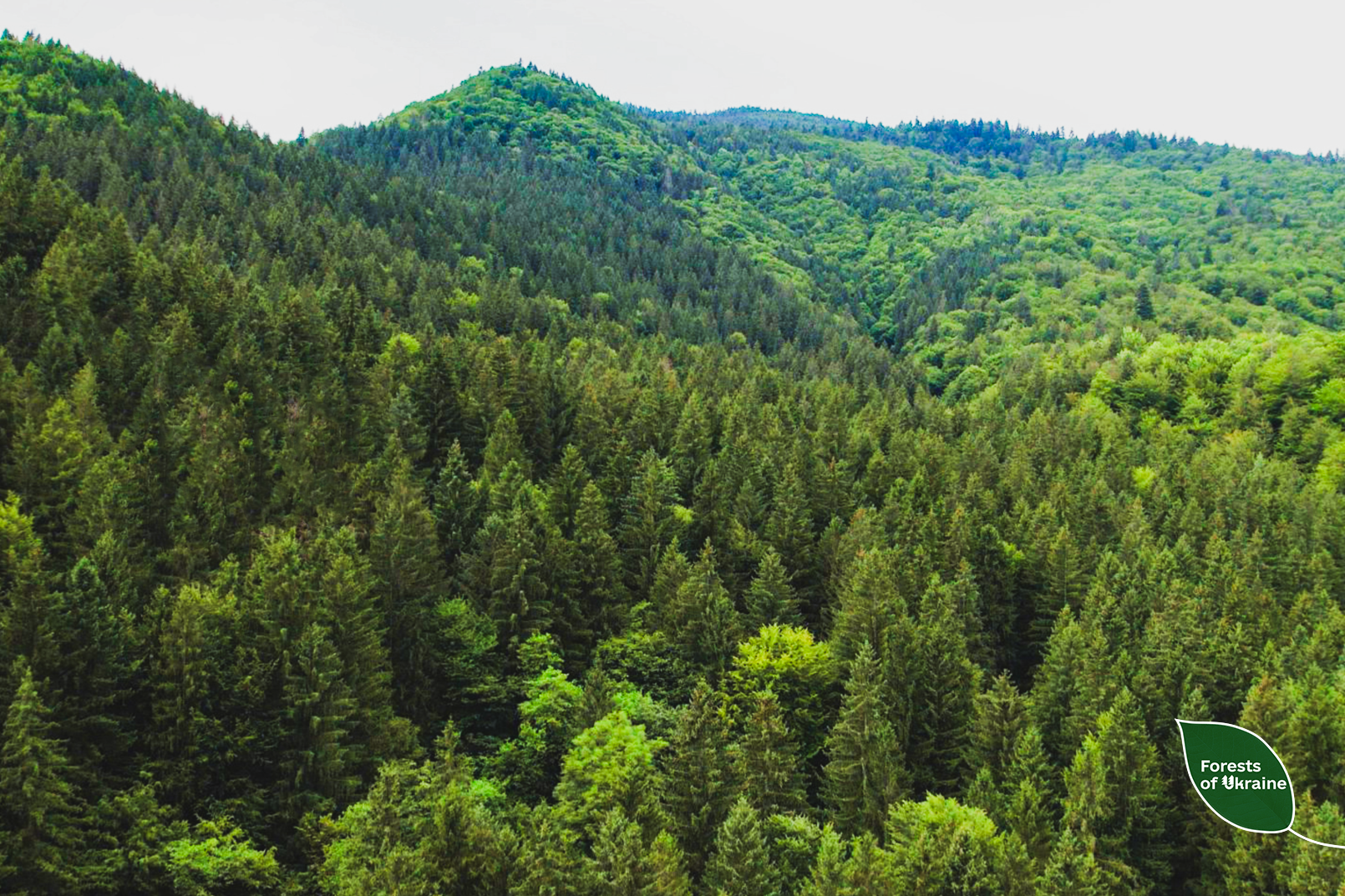
- 4. Mixed stands – combining coniferous and broadleaved species of different ages;
- 5. Minimal intervention – avoidance of intensive operations, limitation of mechanical impact, retention of deadwood;
- 6. Landscape mosaic – maintaining heterogeneity and ecological corridors.
IMPLEMENTATION IN EUROPE
- – More than 50%: Slovenia, Montenegro, Switzerland, Greece, North Macedonia
- – 25-50%: Romania, Croatia, Belgium, Germany, the Netherlands, France, Norway
- – 5-25%: Czech Republic, Denmark, Italy, the United Kingdom, Spain, Slovakia, Bosnia and Herzegovina, Serbia, Latvia, Hungary, Poland.
KEY DIRECTIONS FOR IMPLEMENTING CLOSE-TO-NATURE FORESTRY IN STATE ENTERPRISE “FORESTS OF UKRAINE”
- – Adapting forest management systems to natural and climatic conditions and the ecological potential of each forest-growing region based on a zonal approach;
- – Identifying management areas and forest sites where close-to-nature forestry should be applied;
- – Developing internal regulatory documents on the intensity of transformation fellings and timber removal volumes in different stand types;
- – Preparing proposals for amendments to forest inventory regulations;
- – Gradual transition from clear-cutting to selective and shelterwood systems;
- – Conducting soil and forest typology surveys in the Carpathians, Polissia and Forest-Steppe regions;
- – Restoring the natural structure of forests (supporting natural regeneration, forming uneven-aged multi-layered mixed stands, restoring native species);
- – Changing approaches to reforestation and afforestation;
- – Strengthening scientific support and monitoring through sustainable forest management certification indicators (FSC and PEFC) and evaluation of implemented practices;
- – Integrating environmental, economic and social objectives into forest planning and management;
- – Educational and communication support (staff training and preparation of certified trainers abroad);
- – Technical and technological support (expansion of the forest road network, modern harvesting technologies);
- – Sustainable regulation of ungulate populations that damage natural regeneration.