


Transcarpathia: who is responsible for the decline in timber harvesting?
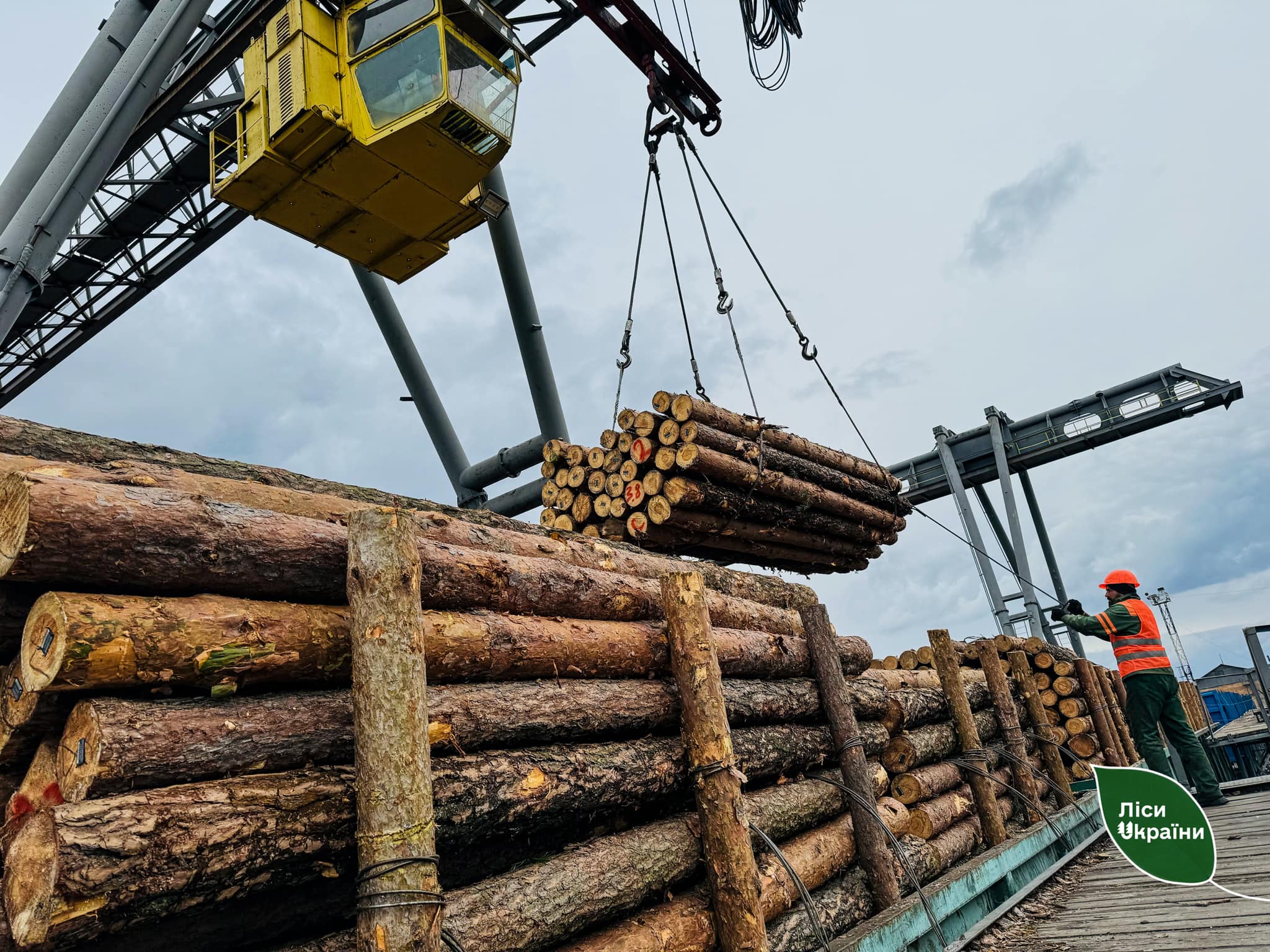
Over the past 15 years, timber harvesting volumes in Transcarpathia have almost halved — from 1.4 million m³ to 750,000 m³.
This trend began long before the establishment of SFE “Forests of Ukraine” — over the past three years, timber harvesting has remained almost at the same level. The sharp decline occurred in 2017–2020!
Against the backdrop of rising demand for timber, wood processors are asking: why is this happening, who is to blame, and is it possible to increase harvesting?
Let us analyze the situation and outline only some of the factors that have influenced forestry in Transcarpathia.
1.Since 2010, the area of the natural reserve fund in the Transcarpathian region within the Carpathian branch of SFE “Forests of Ukraine” has increased from 48.1 thousand ha to 74.6 thousand ha. Only 46% of Transcarpathian forests are designated for commercial use. 13% are part of the natural reserve fund, 14.5% are for recreational purposes, and the rest are subject to restricted forest use.
2.In 2019–2020, 16.5 thousand ha of forest plots were designated as primeval, quasi-primeval, or natural forests. All types of logging are prohibited in these areas, and protective zones at least twice the height of the primeval forest stand were established.
3.In 2019, a law was adopted banning clear-cutting in mountain fir-beech forests of the Carpathian region located above 1,100 meters above sea level.
4.According to the Law of Ukraine “On Environmental Impact Assessment” (EIA), adopted in 2017, to conduct clear sanitary or gradual logging on areas larger than 1 ha, it is necessary to obtain an environmental impact assessment conclusion. This process takes 3–6 months and costs on average UAH 350,000–450,000.
5.In 2020, Resolution No. 1224 of the Cabinet of Ministers of Ukraine amended the rules of final felling in the mountain forests of the Carpathians: narrow-strip felling may only be conducted in pure spruce stands.
As a result, today foresters operate in a completely different legal framework, and logging is significantly restricted.
Unfortunately, given current trends, the timber harvesting situation risks further deterioration!
The issue is that in most forestry enterprises of Transcarpathia, the validity of baseline forest inventory materials will expire in 2026–2027. Despite ongoing efforts by foresters, the approval of new materials constantly faces obstacles — each new change in legislation requires additional revisions and repeated approval procedures. The creation or modification of protected areas also forces Ukrderzhlisproekt to revise forest inventory materials again!
It is worth noting that starting in 2027, a ban on clear-cutting for final felling in the mountain forests of the Carpathian region will come into force, which will undoubtedly impact harvesting volumes.
The resource is objectively limited, but access to it for businesses today is maximally transparent and open. On average, over 10,000 lots are put up for the main quarterly timber auctions in Transcarpathia by SFE “Forests of Ukraine”. More than 90% of them are up to 20 m³, meaning that regardless of the size of the company, everyone has equal opportunities to compete for resources.
Buyers are guaranteed to receive the contracted volumes. In some Transcarpathian forestry enterprises, the rate of contract fulfillment for timber supply reaches 98–100%. Issues are being addressed in those forestries where contractors (due to mobilization of workers and other factors) cause a certain percentage of under-deliveries.
Is there potential to increase timber supply?
Yes, but the issue cannot be solved with populist statements. A stable regulatory framework is needed — clear rules for decades to come. Enormous investments are required for the development of forest road networks and modern environmentally friendly timber harvesting equipment. In other words, a large-scale systemic effort is necessary, based on constructive dialogue between the state, environmentalists, businesses, and foresters. SFE “Forests of Ukraine” is ready for such work.