Author: News
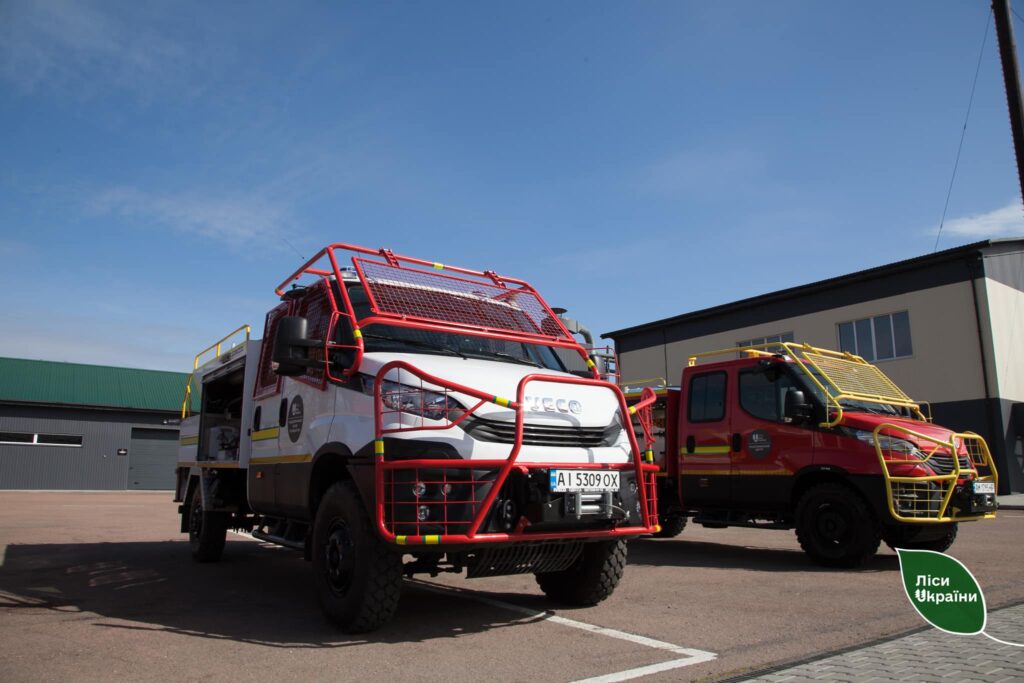
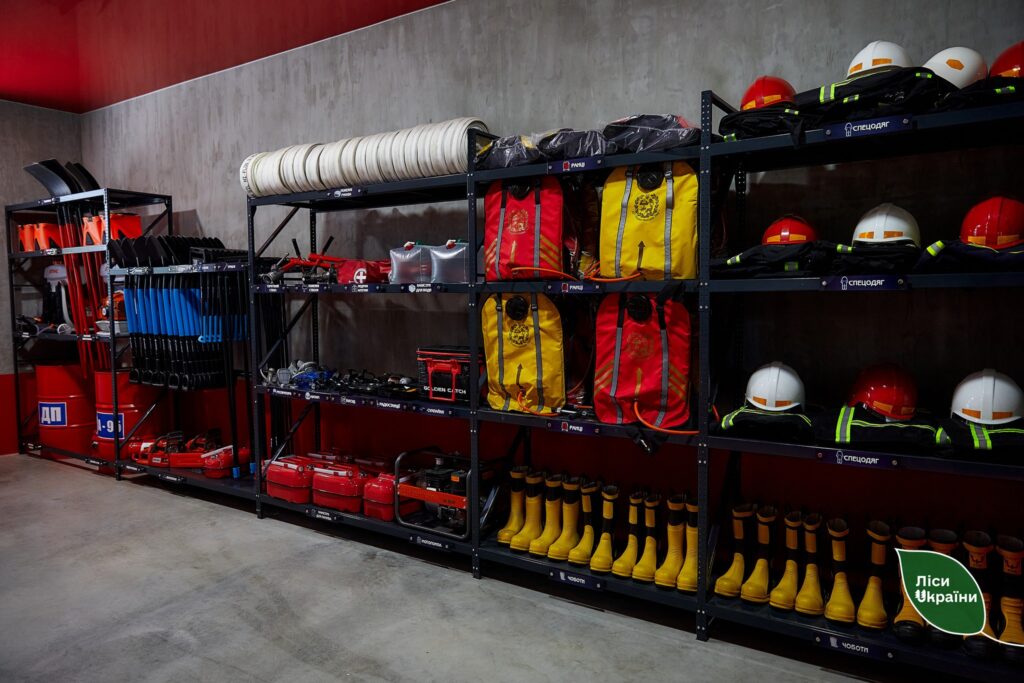
This year, SFE “Forests of Ukraine” has planned record investments in firefighting equipment and gear — approximately UAH 400 million. This is three times more than last year.
Why does “Forests of Ukraine” invest in developing its own fire protection system instead of outsourcing this function to the State Emergency Service (SES)?
For example, in countries such as France, Italy, Greece, or Poland, the primary responsibility for extinguishing forest fires lies with fire and rescue services or civil protection authorities, while foresters mainly provide local knowledge — maps, access routes, and water sources.
In countries where there is no single operator and forest management is carried out by various types of forest users — private, municipal, and state-owned — it is logical for fire response systems to be centralized at the state level.
In Ukraine and several post-Soviet countries, a different model has historically developed. Full responsibility for organizing fire suppression lies with the forest user. The SES is involved only when a fire reaches the level of an emergency situation, as defined in Article 2 of the Code of Civil Protection of Ukraine.
According to the criteria established by the Ministry of Internal Affairs of Ukraine, the SES may be involved in extinguishing forest fires only when the fire area reaches the threshold of an emergency situation (over 50 hectares).
Responsibility of the forest user: regulatory framework
In 2004, the State Forestry Committee of Ukraine issued Order No. 278 “On Approval of the Fire Safety Rules in Forests of Ukraine.” The document clearly states that “the direct implementation of measures for forest fire protection, suppression, and accounting is assigned to permanent forest users.”
Currently, the largest forest user in Ukraine is SFE “Forests of Ukraine,” managing nearly 7 million hectares of forest area.
This means that SFE “Forests of Ukraine” is responsible for firefighting, while other structures may be involved, but the final responsibility for results lies with foresters.
These rules also require the enterprise to maintain a state fire protection system — essentially its own units based at forest fire stations or designated points equipped with the necessary firefighting equipment.
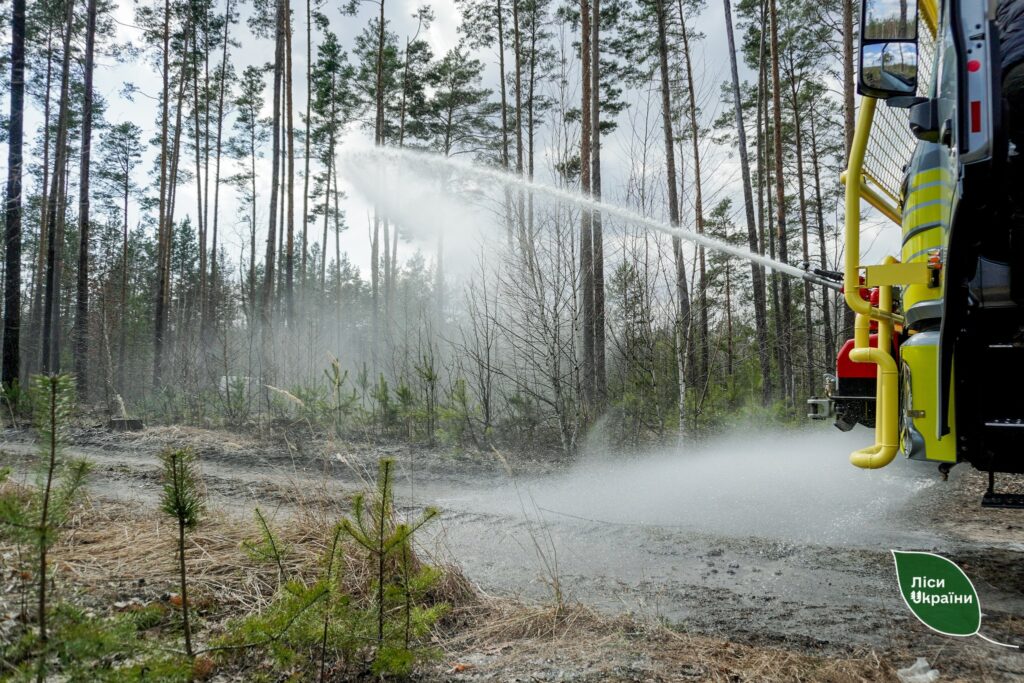
Forest users are also required to implement preventive measures, including establishing mineralized strips, maintaining forest roads in passable condition, and creating fire water reservoirs.
The required number of firefighting equipment and resources is defined by the Resolution of the Cabinet of Ministers of Ukraine No. 612 of 20 May 2022 “On Approval of the Procedure for Forest Protection and Safeguarding.”
Based on these requirements, SFE “Forests of Ukraine” forms its plans for upgrading the material and technical base of forest fire stations and equipping relevant units.
Cooperation with the SES: why outsourcing is ineffective?
Resolution No. 612 also clarifies that the SES may be involved in firefighting only when a forest fire exceeds a “controlled situation” or there is a risk of it doing so. This may include large fire areas (over 5 hectares), rapid fire spread, difficult conditions (strong winds, heat, inaccessible terrain), lack of personnel or equipment, or threats to settlements, infrastructure, or human life.
Thus, the regulatory framework allows forest users to involve the SES in certain cases. However, this is only a right! The SES may not arrive even in large-scale forest fires, including those classified as emergencies. There are several reasons for this.
1.Long distance to the fire location
In 2017, the Cabinet of Ministers of Ukraine issued the Order “On Approval of the Strategy for Reforming the System of the State Emergency Service of Ukraine.”
As a result, the main task of the SES became responding to large-scale emergencies.
Resolution of the Cabinet of Ministers of Ukraine No. 1269 of 16 December 2020 “On the Territorial Bodies of the State Emergency Service” changed the structure of the SES in accordance with the new division of districts introduced as a result of the administrative-territorial reform.
As a result, instead of approximately 500 district units, 136 remained within the SES. The distance from some remote forest areas to the nearest district department of the SES is many dozens of kilometers. Moving firefighting equipment over such a distance takes considerable time and involves significant costs.
2.Most SES fire engines need to be renewed
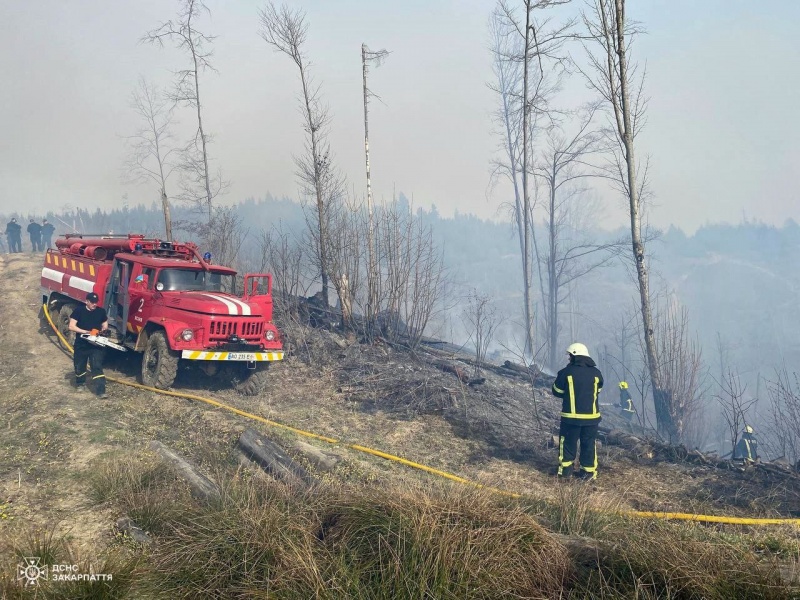
Ukrainian rescuers receive new equipment from international donors, but they often still use outdated vehicles, such as GAZ-66, ZIL-131 and Ural trucks.
These vehicles are known for their durability and ability to pass through areas where modern equipment sometimes cannot cope, especially off-road or in forests. At the same time, they are morally and technically outdated: they consume a lot of fuel, break down more often and do not develop high speed.
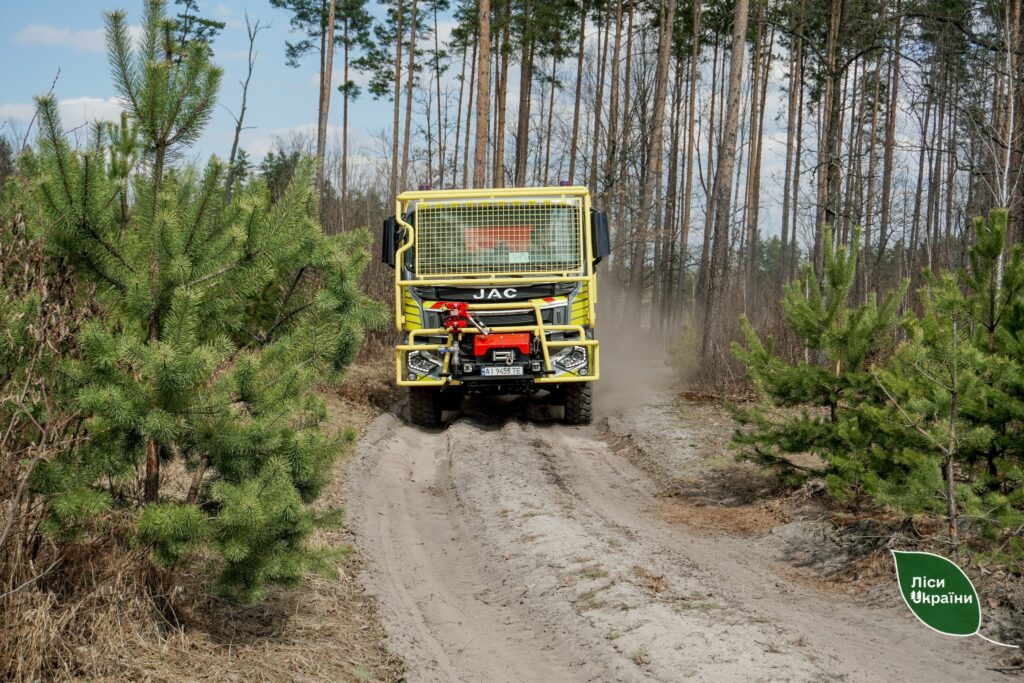
In real conditions, this means that fire engines move much more slowly than ordinary vehicles — on average about 35 km/h on highways, and even slower on forest roads. As a result, rescuers take longer to reach the site of a forest fire, and the area affected by the fire may increase significantly.
3.During the war, the priority of the SES is to eliminate the consequences of enemy shelling
During martial law, the priorities of the SES are regulated by the Code of Civil Protection of Ukraine, which defines the procedure for the actions of rescuers.
First of all, the SES focuses on clearing rubble after shelling, rescuing people, demining, and responding to the destruction of critical infrastructure. The SES becomes involved in extinguishing a forest fire, even if it has already reached the level of an emergency situation where the affected area exceeds 50 hectares, only when this does not interfere with the performance of its main tasks in areas exposed to combat-related risks.
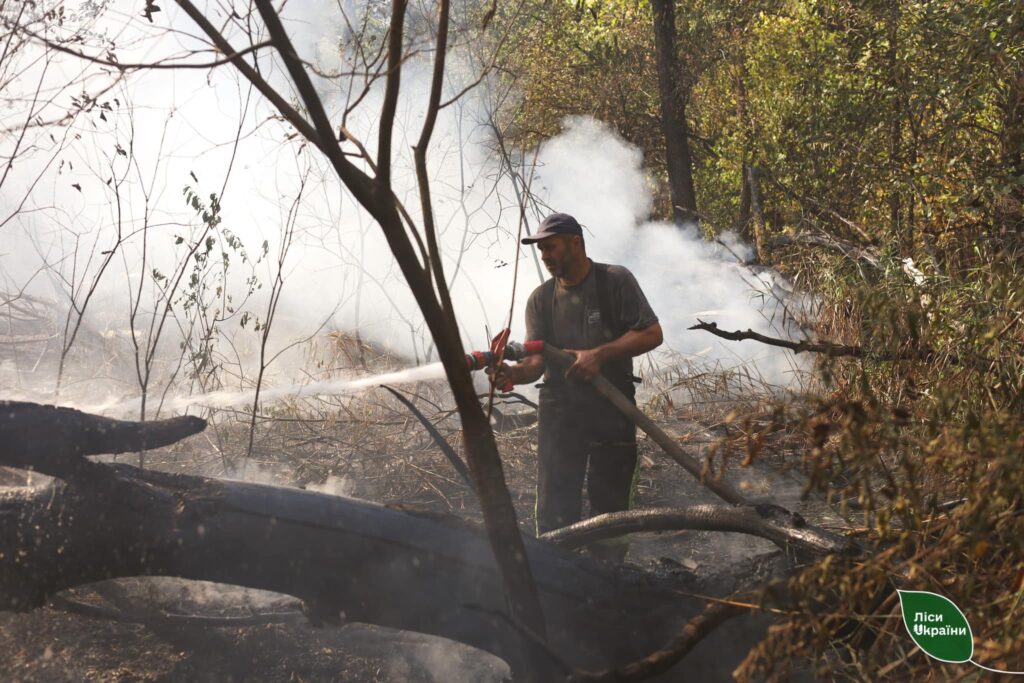
In May last year, following a hit by an enemy guided aerial bomb in the frontline Borivske Forestry Management Subunit (lisnytstvo), a forest fire broke out. Due to dry, hot weather and strong winds, it reached an area of 110 hectares within a few hours. Foresters extinguished it using their own resources in almost a day.
“If we had waited for the rescuers, according to our estimates, the forest fire would have covered more than 1000 hectares of forest,” recalls Oleksii Shapovalov, Assistant Head of the Iziumske Forestry Management Unit (nadlisnytstvo) of the branch “Slobozhanskyi Forest Office”.
4.SES outsourcing services are not designed for large forest fires and are too expensive
Resolution of the Cabinet of Ministers of Ukraine No. 1102 of 26 October 2011 “Certain Issues of the Provision of Paid Services by Units of the State Emergency Service” allows rescue units to be engaged on a paid basis.
This concerns functions that are not related to emergency response. These may include both precautionary or preventive measures, as well as the use of equipment for extinguishing or preventing fires at specific sites, for example during works in forests or at logging sites.
Theoretically, rescuers could also be engaged, for a separate fee, to extinguish a small forest fire. SFE “Forests of Ukraine” has already considered this option. However, the key question is whether it would be cheaper than making its own investments.
Example of calculating the cost of an SES response to a forest fire covering 0.03 hectares.
Responding to such a fire would require one fire engine with five rescuers, who would have to travel about 100 km in total, both ways.
The average speed of GAZ-66, ZIL-131 and Ural trucks on highways is 35 km/h. Therefore, the journey alone takes almost three hours, with another two hours needed for the actual firefighting. In total, this means almost five hours of work, 83 liters of fuel consumed, and a full tank of water. Altogether, the cost exceeds UAH 20000.
“The area affected by last year’s fires was approximately 6,000 hectares, most of which occurred in frontline areas. SES services would have cost us more than UAH 3 billion,” says Mykola Hontaruk, Deputy Director of the Department of Forestry of SFE “Forests of Ukraine.”
Local community fire units: misplaced expectations
According to the Order of the Cabinet of Ministers of Ukraine “On Approval of the Strategy for Reforming the System of the State Emergency Service of Ukraine,” firefighting functions in territorial communities should be transferred to local fire protection units and volunteer fire brigades.
However, a significant number of communities do not have the financial resources to fully maintain fire units and equipment.
During the war, financial resources are directed toward defence. Many men have been called up for service in the Armed Forces of Ukraine, and there is currently simply no one to fill positions in local fire protection units.
Formally, the requirement exists; in practice, in many communities it has not been implemented.
Investments of SFE “Forests of Ukraine” in fire safety: what is planned for this year
This year, the enterprise plans to purchase:
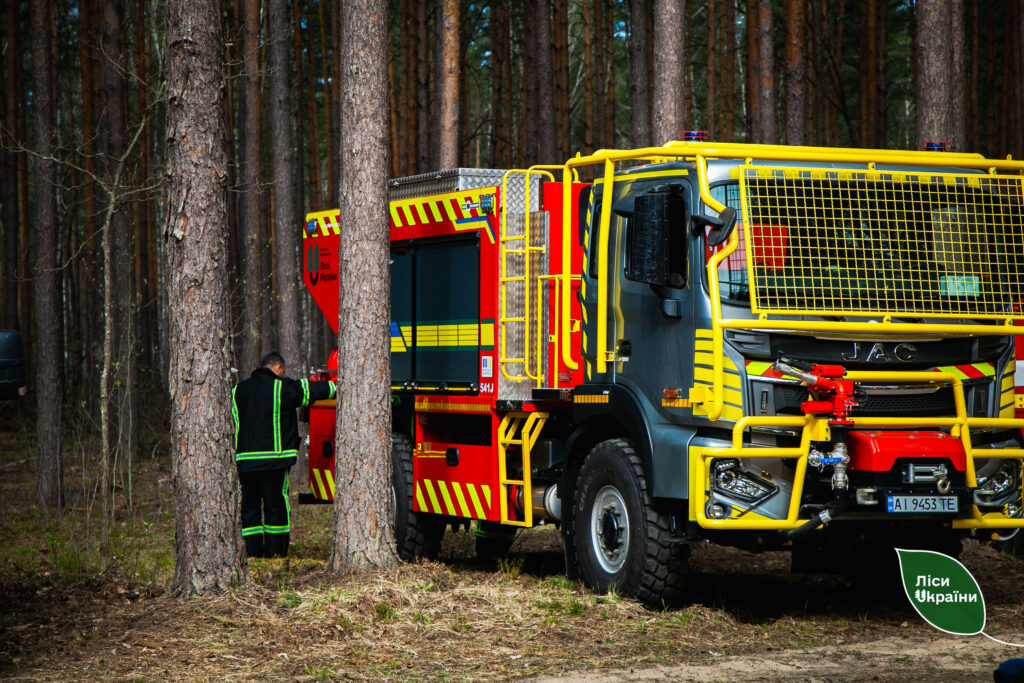
16 modern large-capacity fire engines of Ukrainian production;
2,000 fire hoses and more than 100 nozzles;
approximately 700 backpack sprayers;
dozens of forest firefighting modules.
Over the past two years, as a result of reorganization and structural simplification, the company’s workforce has decreased by nearly 10% and currently stands at 21.5 thousand employees. The reductions primarily affected administrative positions, including a large number of managerial roles in forestry enterprises.
In 2024, 28% of the payroll fund in the forestry sector was spent on maintaining administrative personnel. Today, this figure has been reduced to just 17%. Last year alone, nearly half a billion hryvnias were saved on management salaries.
The additional funds have been redirected to increase wages for production staff working directly in the forest. Employee motivation has improved, the outflow of specialists has stopped, and young professionals have started joining the company.
Particular attention was given to low-resource regions in the south and east, where forestry workers previously received very low wages. Currently, pay levels across the company have been equalized and now depend on the volume of work performed rather than the value of local resources.
As of Q1 2026, the average salaries in the branches of SE “Forests of Ukraine” are as follows:
• Forester — UAH 46,500
• Assistant Forester — UAH 38,300
• Forest Ranger — UAH 33,500
• Logging Operations Supervisor — UAH 35,800
• Timber Transport Driver — UAH 41,000
• Tractor Operator — UAH 36,500
• Feller — UAH 39,700
• Logger — UAH 31,600
The increase in the payroll fund for production staff has led to a rise in the company’s average salary from UAH 24,000 in 2024 to UAH 38,000 in 2026.
Over the past week, Telegram channels and media outlets have been spreading publications about the alleged critical condition of SFE “Forests of Ukraine” due to multi-billion debt. This narrative has been fabricated by individuals who fail to understand that at the end of each quarter the enterprise accrues significant tax liabilities — VAT, corporate income tax, and a share of net profit — which are paid in the following reporting period.
In particular, in the first quarter of 2026, SFE “Forests of Ukraine” transferred UAH 4 billion to the state budget.
The enterprise also has current obligations to contractors for work completed over the past month, including logging, transportation, and related services. These obligations are fulfilled on time: SFE “Forests of Ukraine” has no overdue payables to its counterparties.
As of January 1, 2026, the company’s financial stability ratio (equity / long-term and current liabilities) stood at 1.72. This is an exceptionally strong indicator, demonstrating the enterprise’s independence from external financial support.
The company fulfilled 98% of its contractual obligations for timber supply in the first quarter, excluding cancellations initiated by buyers themselves.
Today, SFE “Forests of Ukraine” is an example of highly stable operations and a responsible approach to fulfilling its obligations to clients and partners.
All other claims in the mentioned publications are equally false and absurd. These materials show clear signs of being commissioned, are distributed solely for money, and are part of a coordinated PR campaign
SFE “Forests of Ukraine” continues its Memorial Forests initiative — a living tribute to our colleagues who gave their lives for Ukraine.
Before being mobilized, Ruslan Balia worked as a forest ranger in the Chalivske forestry in the Poltava region. He dedicated nearly 20 years to forestry. A true professional, he deeply loved his work and knew every part of the forest under his care. The forest was his calling.
In 2024, he joined the Armed Forces of Ukraine. He served as a grenadier in an assault unit and held the rank of junior sergeant. On January 8, 2025, he was killed in action.
Memorial Forests are places of silence and gratitude — living symbols of remembrance for those who fought and died for Ukraine’s independence. Every tree planted carries the memory of a person who lived for the forest and gave their life for their country.
To honour Ruslan Balia, his wife and sons, Head of SFE “Forests of Ukraine” Yurii Bolokhovets, students of Tereshky Lyceum, colleagues, demobilized employees, and representatives of the Ukrainian Foresters’ Union gathered to plant this symbolic forest.
In the Chalivske forestry, where Ruslan worked, foresters planted pine, birch, and viburnum seedlings across 1.2 hectares.
This spring, Memorial Forests are being created across all regions of Ukraine:
In the Rivne region — in Kostopil forestry — a Memorial Forest was planted in honour of fallen colleague Vadym Pliushch, who worked as a forestry engineer and was deeply dedicated to his profession.
In the Zhytomyr region, a Memorial Forest honours forester Valerii Zander. It was planted in the Zvyahel forestry — the area that suffered the greatest losses among forestry workers.
In the Chernivtsi region, a Memorial Forest was created in memory of Oleksandr Storonskyi, who defended Ukraine for two years in the most intense combat zones.
In southern Ukraine, in the Zahradiivske forestry (Kherson region), a Memorial Forest honours forester-hero Vladyslav Vasylychenko. This site has become a symbol of renewal — where there was once war, new life is now growing.
In the Chernihiv region, a Memorial Forest was dedicated to our colleague Andrii Trykhlib, who was killed in December 2023 defending Ukraine.
The planting of Memorial Forests continues, and soon the updated map of these forests will be available. More information about the project can be found on our website.
We create these forests so that memory lives not only in words, but in the land, in the trees, and in the silence of the forest. So that every seedling reminds us: the price of our freedom is the lives of people who were part of one great forestry family.
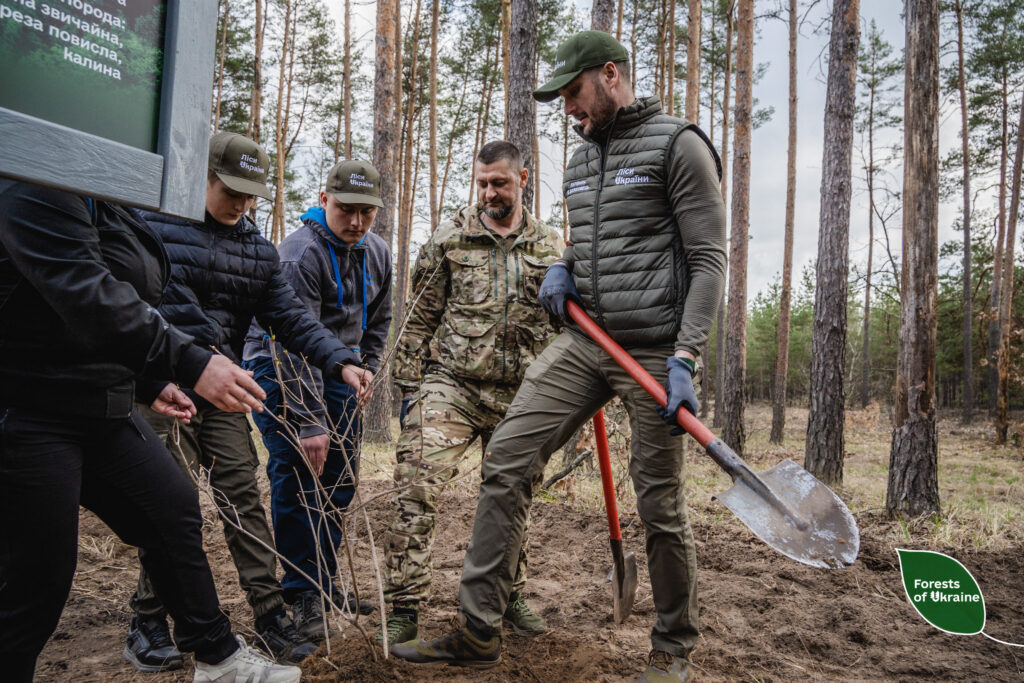
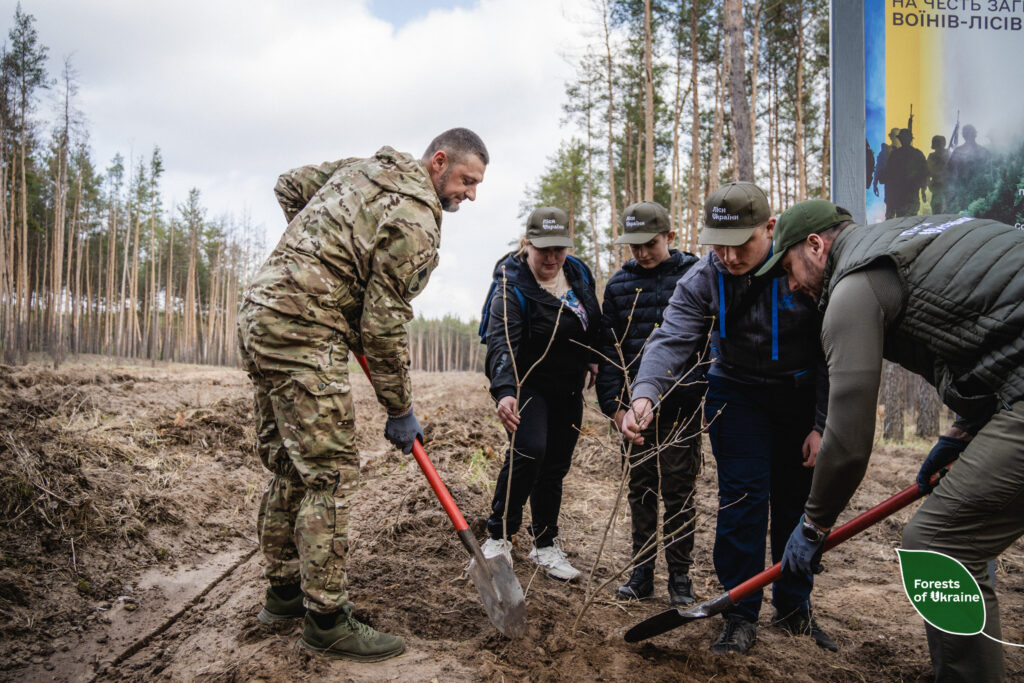
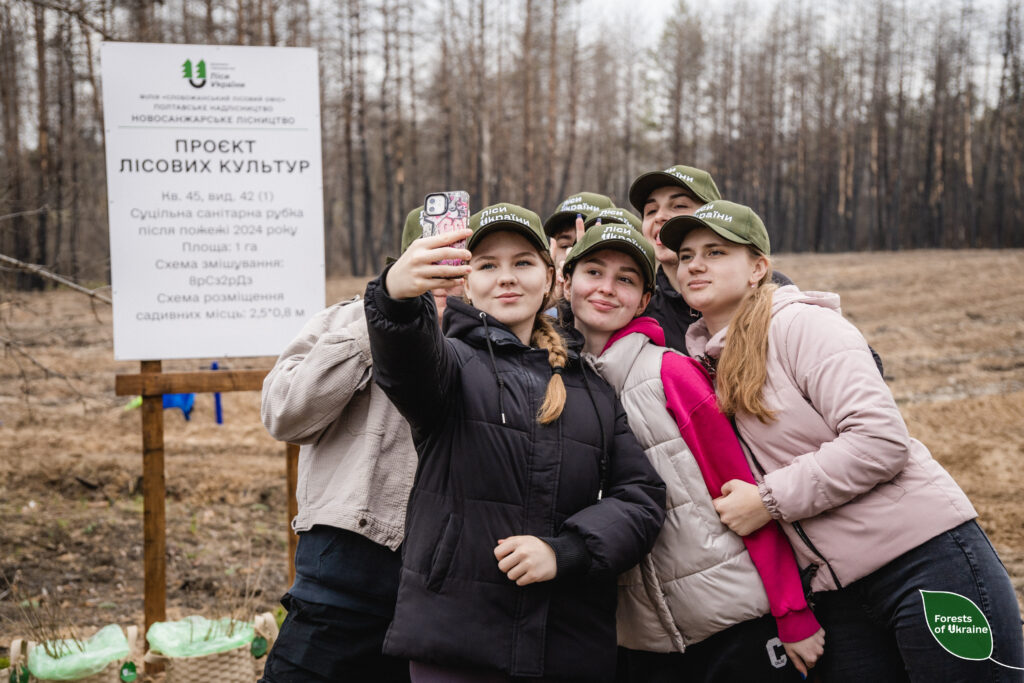
A forest restoration event took place in the Novosanzharske forestry of State Enterprise “Forests of Ukraine,” aimed at recovering areas affected by a large-scale natural disaster. The tree planting brought together company employees, the Head of the Poltava Regional Military Administration Vitalii Diakivnych, the State Emergency Service team in the Poltava region, members of the local community, and students from a school forestry unit.
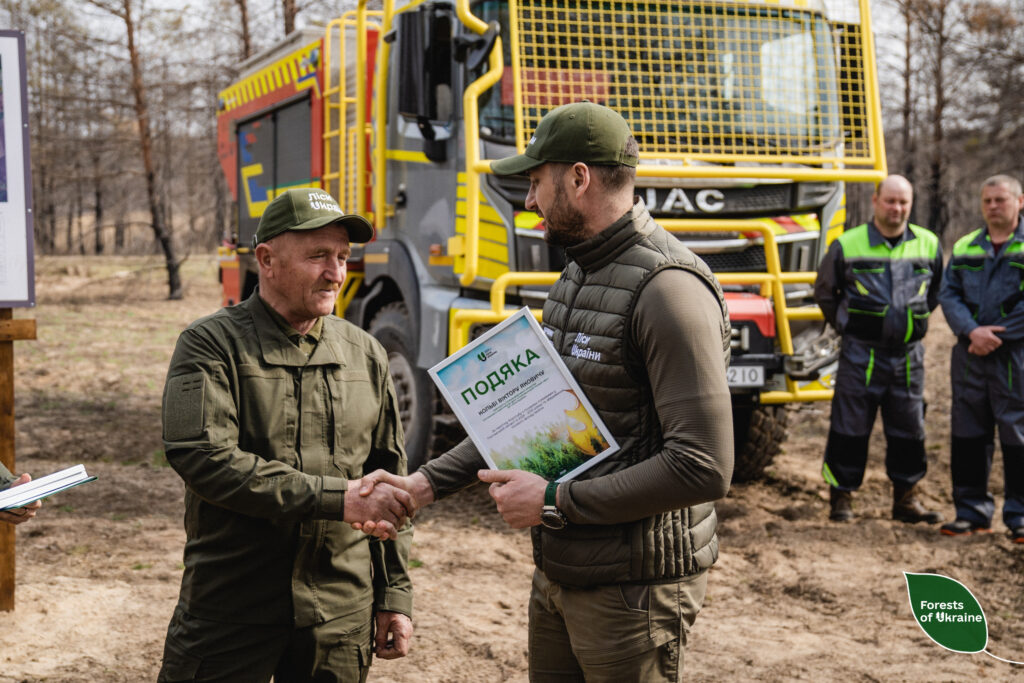
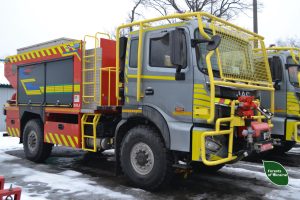
During the event, participants also reviewed new specialized equipment purchased by State Enterprise “Forests of Ukraine” to strengthen wildfire protection: a new fire truck, an all-terrain pickup equipped with a firefighting module, and a tractor with a plow for creating firebreaks.
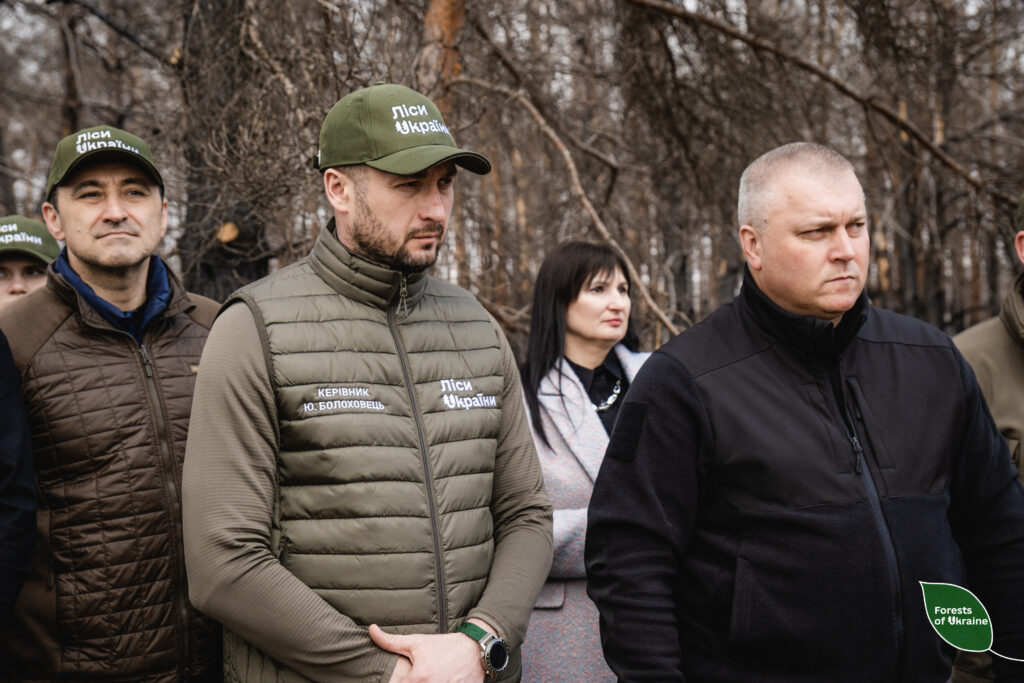
The Head of State Enterprise “Forests of Ukraine,” Yurii Bolokhovets, recognized forestry workers and firefighters who were the first to respond and defend the forest.
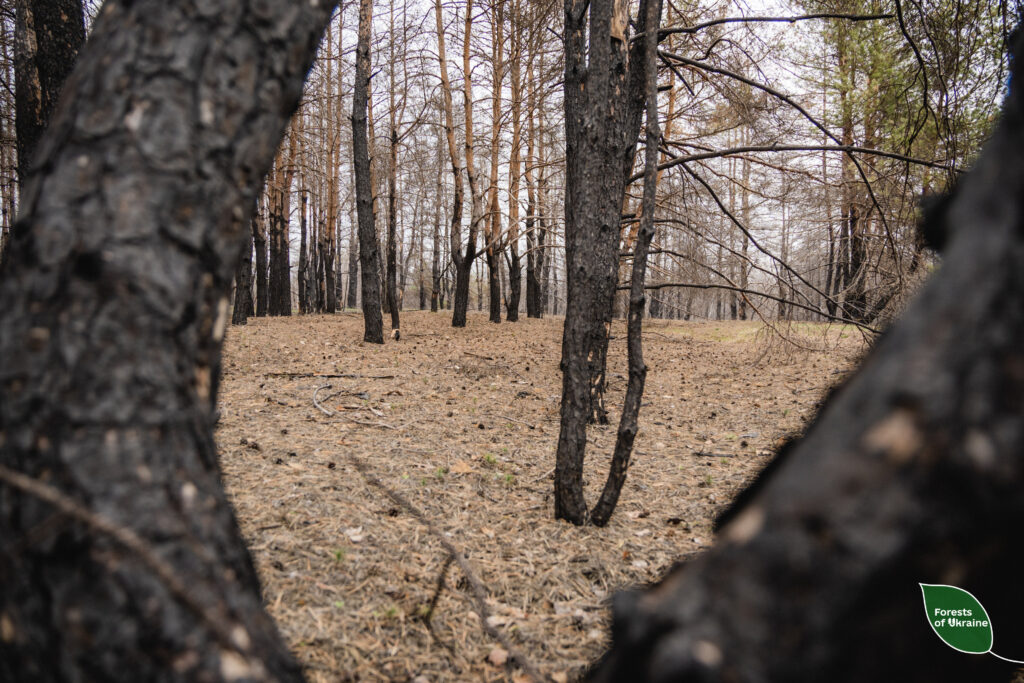
As a reminder, in September 2024, the Poltava region faced the most масштабний forest fire in recent years, which was classified as an emergency situation. The fire damaged 2,670 hectares of forest plantations in the Malopereshchepynske and Novosanzharske forestries. More than 430 personnel and 85 units of equipment were involved in firefighting efforts.
“We fought the fire for more than 12 days. The area of spread kept increasing and became more complicated due to weather conditions and strong winds, which caused crown fires. Thanks to the coordinated work of our rescuers and foresters, we managed to extinguish this large-scale fire,” said Serhii Slavko, Deputy Head of the State Emergency Service in the Poltava region.
Large-scale forest restoration will begin in autumn 2026 after the completion of the environmental impact assessment procedure. Currently, State Enterprise “Forests of Ukraine” is carrying out localized restoration on areas up to 1 hectare.
Instead of monocultures, participants planted a mixed forest on the site, including Scots pine seedlings with a closed root system and common oak. In the future, this will help grow forests that are more resistant to fires and pests.
Overall, full restoration of all burned areas is planned to be completed over the coming years.
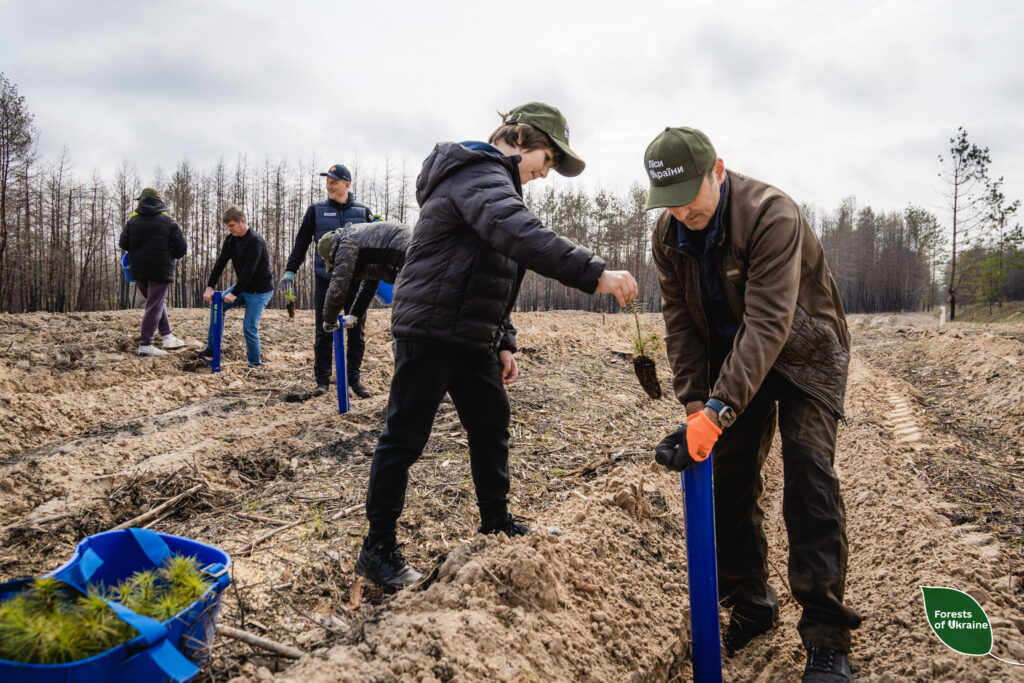
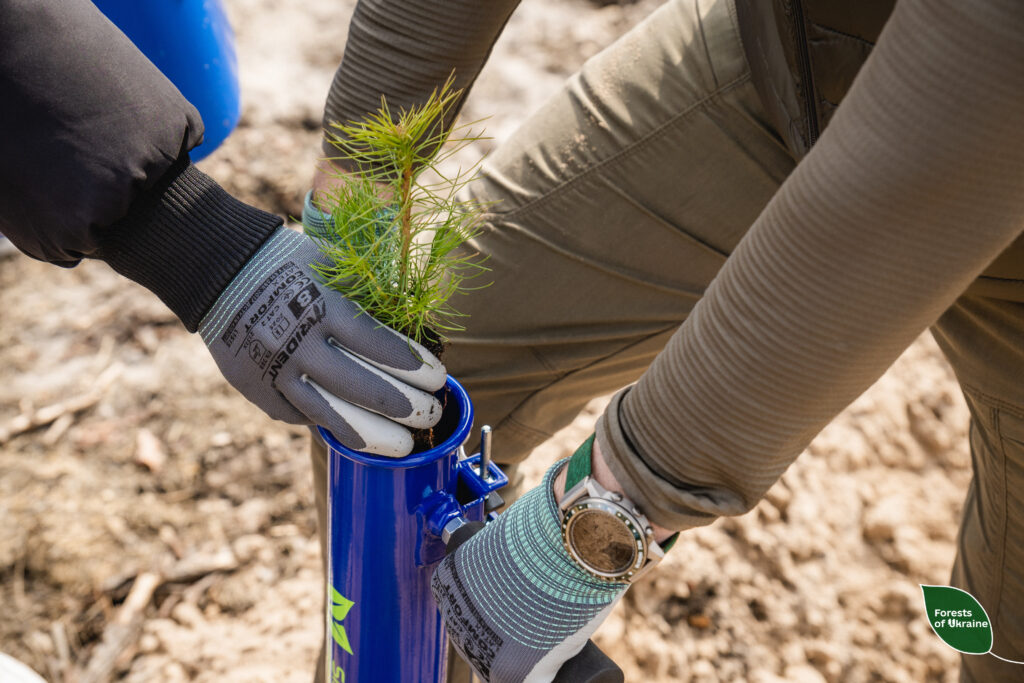
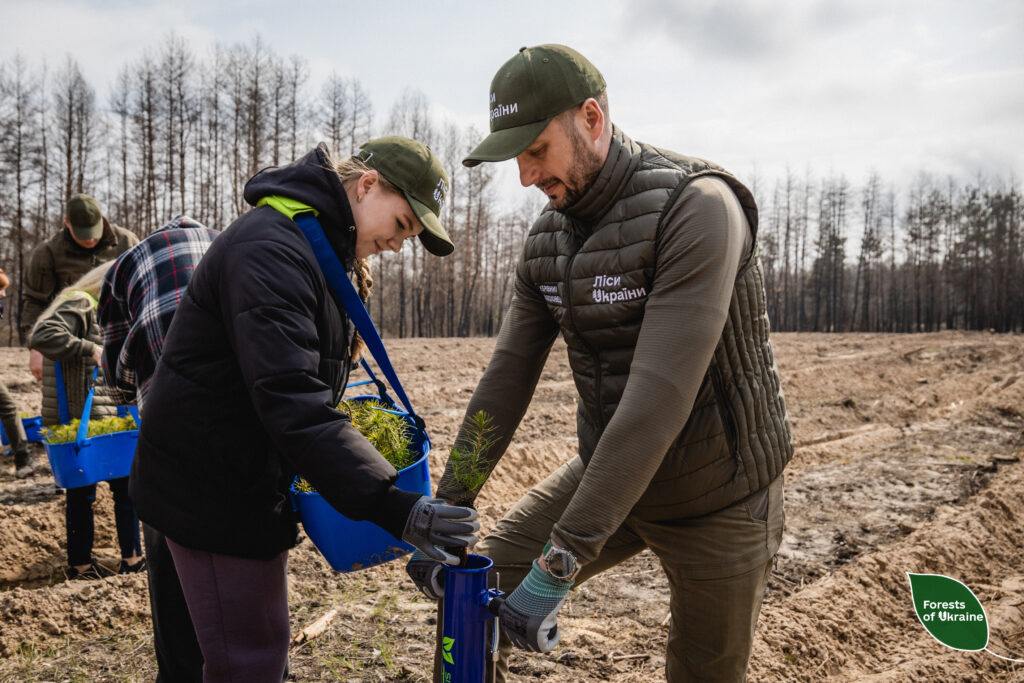
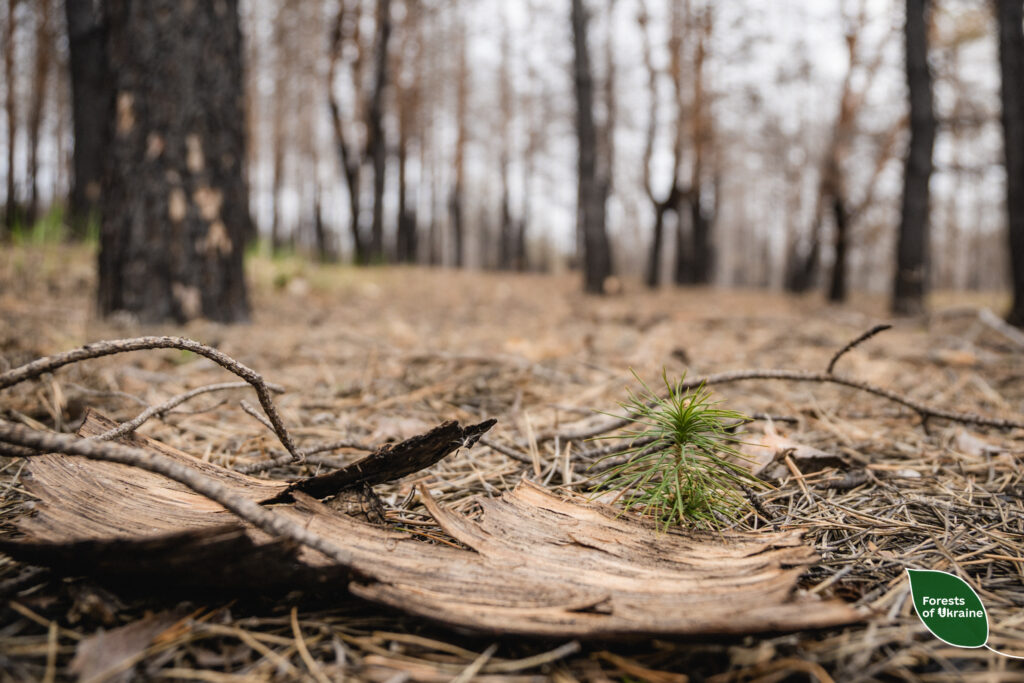
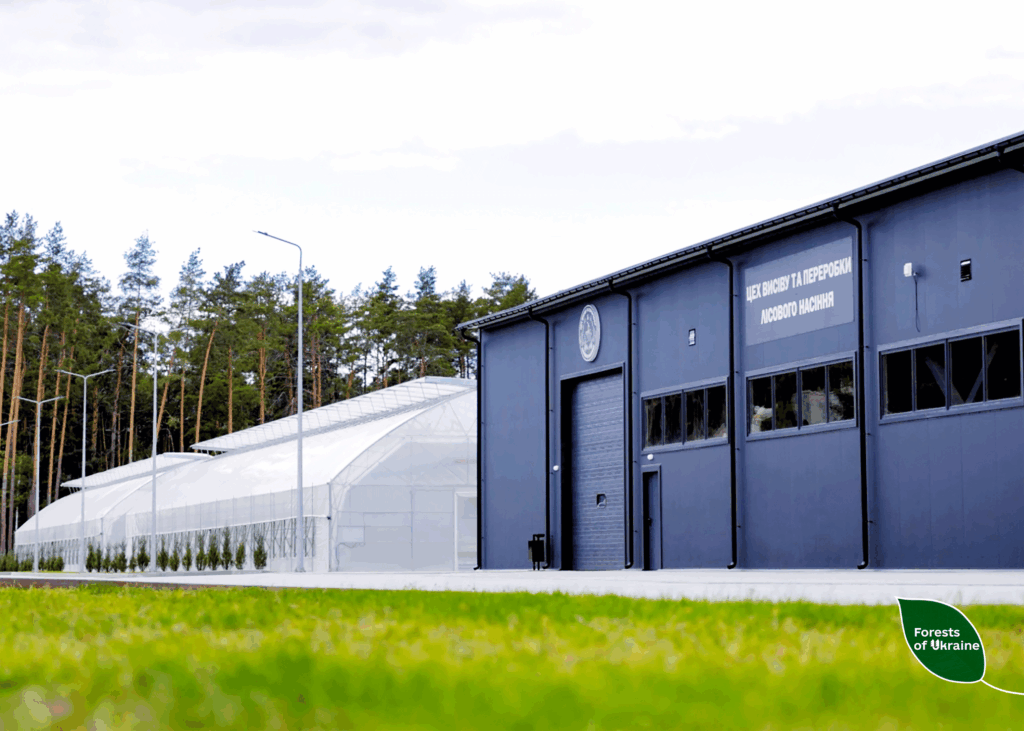
This planting material was grown last year in our forest nurseries. It includes seedlings of the main forest-forming species — Scots pine, Pallas pine, pedunculate oak, as well as European larch and silver fir. All container-grown seedlings were cultivated taking into account the needs of different regions.
To ensure that the seedlings grown last year reach the areas designated for afforestation this spring, they have undergone a full cultivation cycle: from sowing seeds into special trays to forming a strong root system in a nutrient-rich substrate.
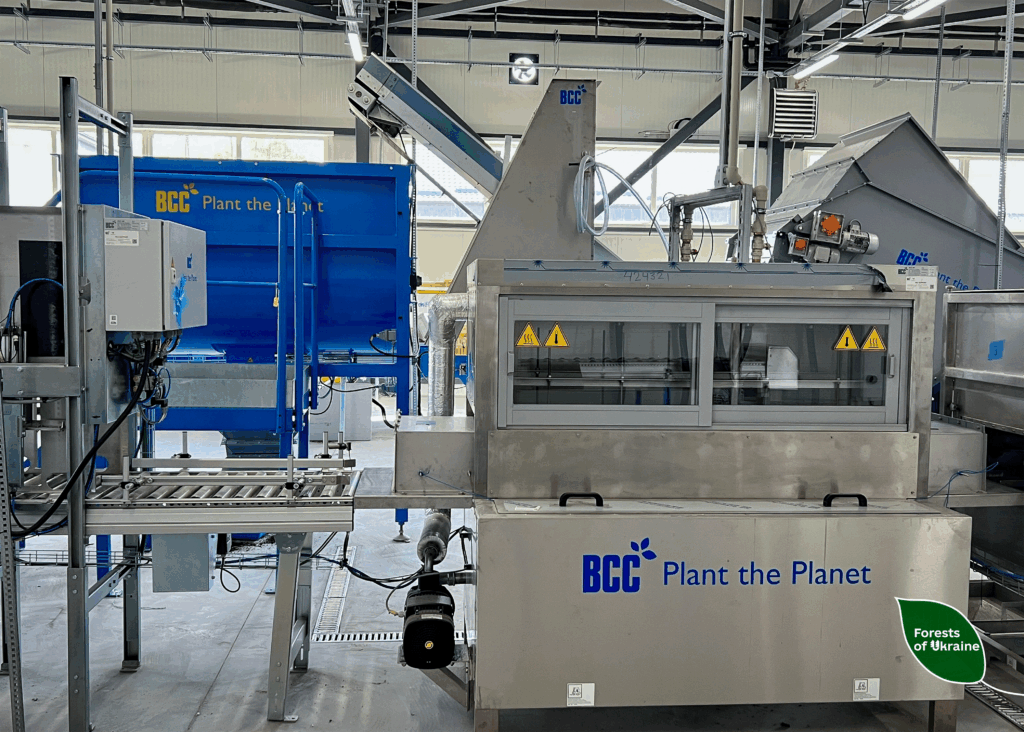
First, forest seed material is processed in cone-drying facilities. The extracted seeds are then cleaned and calibrated. After that, they pass through a sowing line and are placed into trays filled with a nutrient-rich substrate.
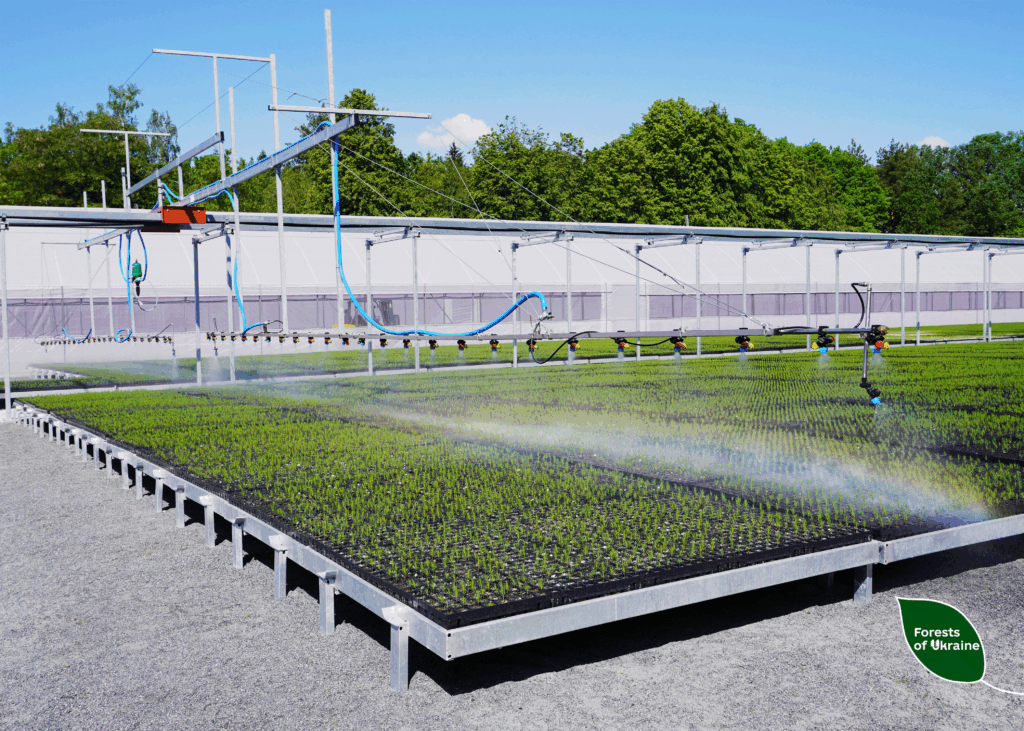
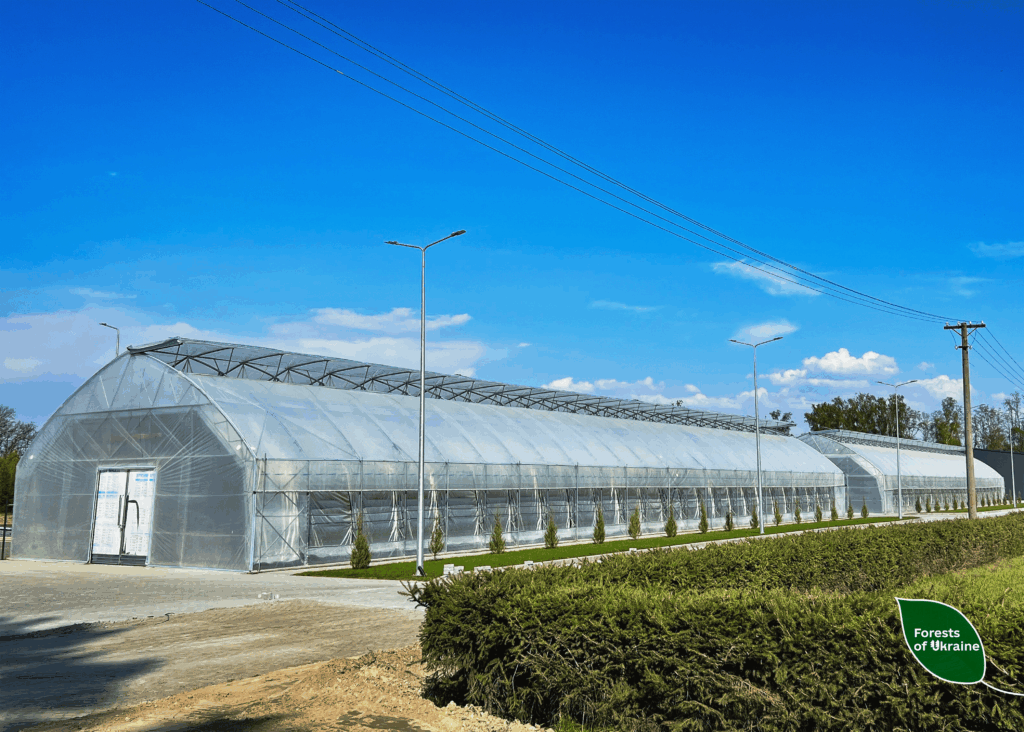
The seeded trays are moved to greenhouses for three to four weeks, where the required temperature is maintained. To support seedling development, an automated irrigation system operates, providing mechanized watering according to a pre-set schedule.
After germination in the greenhouses, the seedlings are transferred to growing fields — specially equipped open-ground areas where they adapt further and prepare for planting directly in the forest. In autumn, foresters insulate the trays with cassettes placed outdoors using protective material around the perimeter, which stabilizes the temperature in the root zone.
Continuous and proper care allowed the planting material to be fully preserved throughout the cold winter period until spring. As a result, we obtained high-quality seedlings with improved genetic and breeding characteristics, high survival rates, and resistance to adverse weather conditions.
Transportation from forest nurseries to afforestation sites has already begun and will continue throughout the entire forest regeneration campaign.
Container-grown seedlings tolerate transportation over long distances well. The main reason is that their roots remain in a special substrate that retains moisture and protects the root system from drying out, mechanical damage, and temperature fluctuations.
This year, our forest seed and breeding centers plan to grow 13 million container-grown seedlings. Sowing takes place in several stages during the spring. Some of the seedlings will be used during the autumn planting campaign, while others will be planted in the spring of the following year. Currently, sowing and the placement of trays in greenhouses are underway in the nurseries.
Starting in 2027, the branch “Forest Reproductive Resources” plans to significantly increase the number of container-grown seedlings to 19 million, and in 2028 — to at least 25.4 million.
This will be made possible by expanding sowing areas. For this purpose, 20 growing fields and 8 greenhouses are planned to be constructed in different forest nurseries.
Thanks to this expansion, our forest nurseries will also be able to significantly broaden the range of tree species grown as container seedlings.



The winter of 2026 has been a real challenge for Ukrainians. Constant attacks by Russian forces, destroyed infrastructure, severe frosts… At moments like these, you truly realise how important it is to stand by one another and offer support.
That is why the Government of Yuliia Svyrydenko launched a targeted assistance programme for those who need it most. The largest state-owned enterprises joined the initiative — and SE “Forests of Ukraine” is among them.
The organisation of the process and the formation of the beneficiary lists were ensured by the Department of Social Protection of the Zaporizhzhia Regional State Administration, while the team of the Eastern Branch of SE “Forests of Ukraine” made sure that the warmth of these packages reached people as quickly as possible.
For us, this is not just a humanitarian initiative. It is about care. About warmth that can be passed from hand to hand. About the feeling that you are not alone.
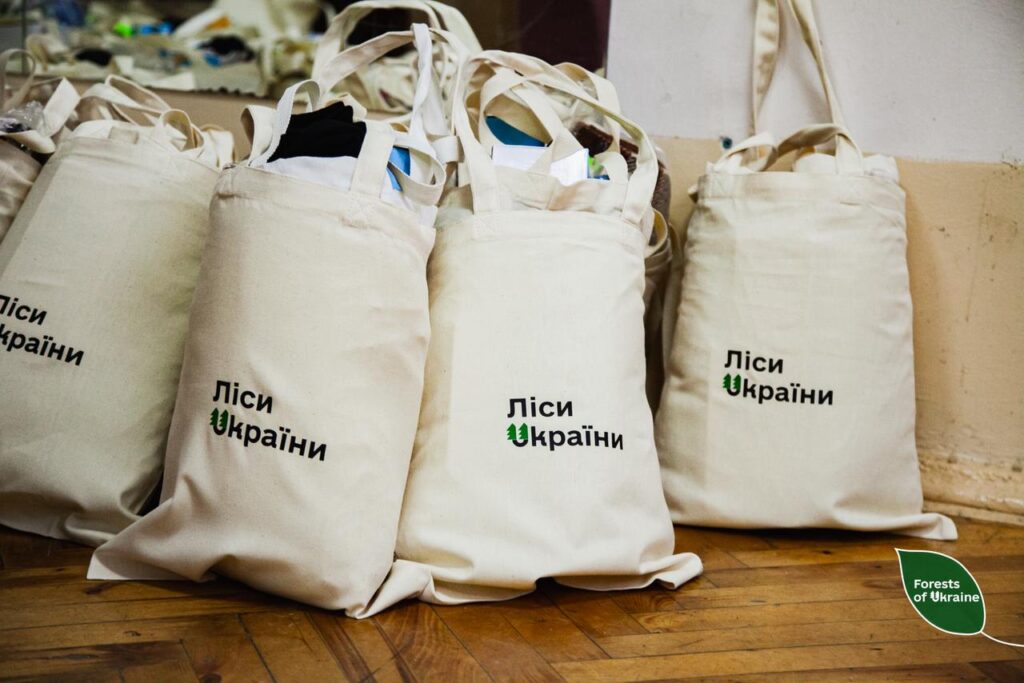
The “warm packages” will be delivered to people with limited mobility, citizens facing difficult life circumstances, persons with disabilities, and elderly people living alone — those for whom this winter has been especially hard.
The first batch of aid has already been delivered to the residents of Zaporizhzhia — a city of strong and unbreakable people. And in every package there are not only essential items, but also a part of our gratitude, respect and sincere support.
Together we will endure. Together we will keep each other warm!

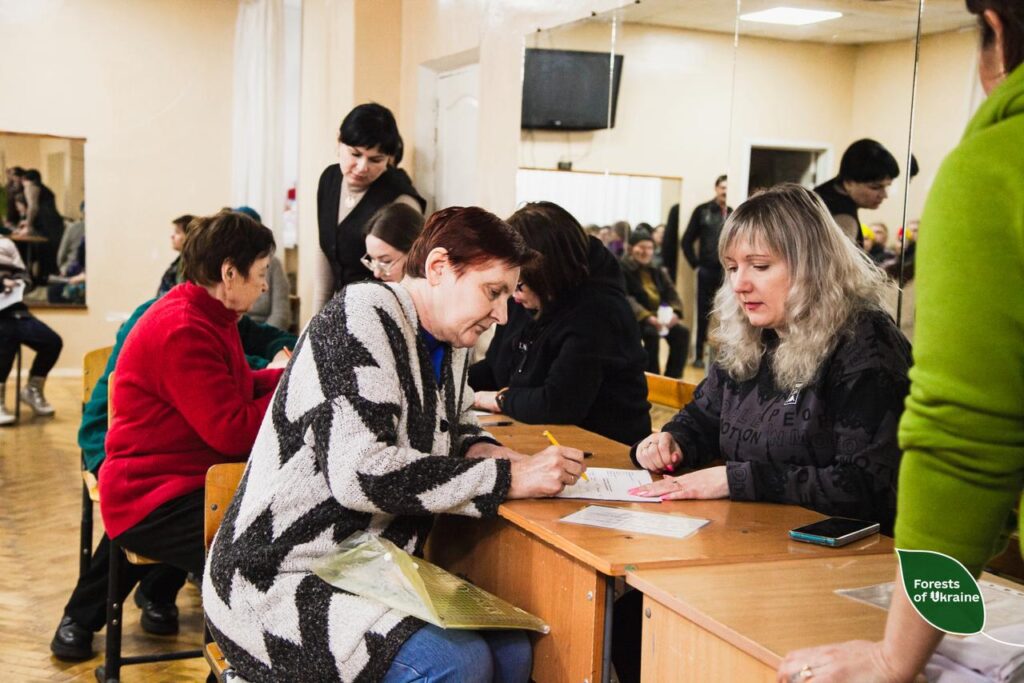
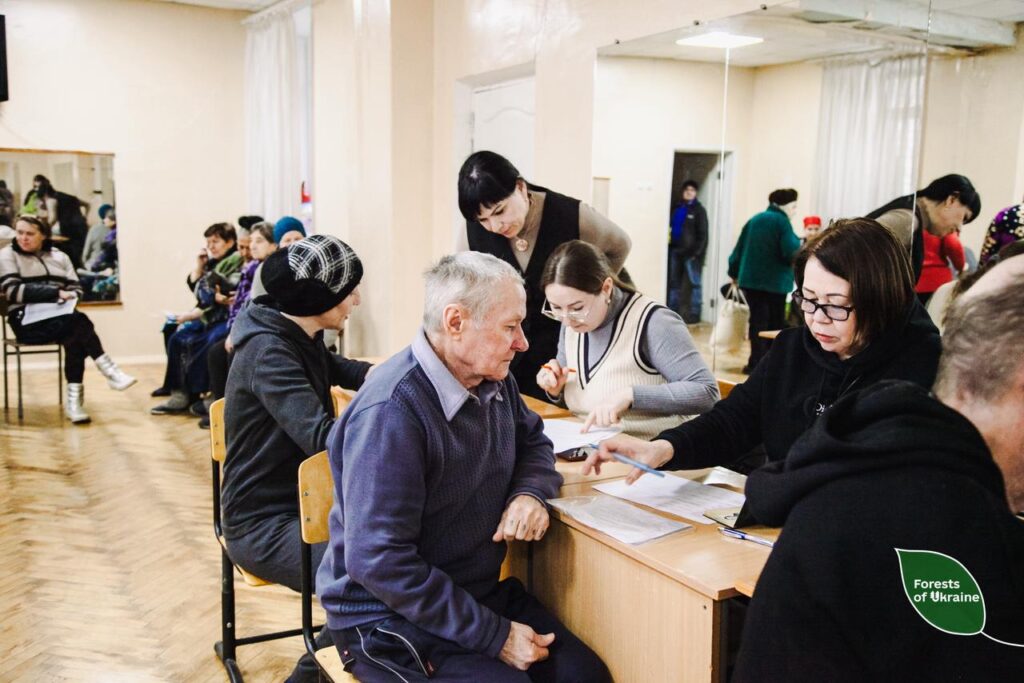





The participants of the meeting noted the successful completion of certification audits at the beginning of last year under the conditions of the reorganization of the enterprise’s structure and the full-scale war. The forest districts ensured compliance with FSC requirements in challenging circumstances.
As a result for 2025:
SE “Forests of Ukraine” managed to almost fully restore FSC certification after a large-scale structural reorganization (FSC certificates were restored for more than 97% of the previously certified areas). Preparation for the certification of some forest districts in the South was initiated for the first time.
Representatives of SE “Forests of Ukraine” actively participated in trainings, educational events, and webinars conducted by FSC Ukraine experts. Forestry professionals mastered best global environmental protection practices and learned how to apply FSC requirements in their day-to-day management activities.
Forest districts can actively apply a clear mechanism for excluding territories contaminated with explosive hazards from the scope of certification without losing certification status for the remaining areas.
A joint media tour based at the branch “Carpathian Forest Office” made it possible to demonstrate real practices of responsible forest management.
“Modern challenges facing the forestry sector and society as a whole require greater efforts and coordination in finding appropriate solutions. We value cooperation with SE ‘Forests of Ukraine’ as a reliable partner in promoting responsible forest management. We have an excellent opportunity to discuss a wide range of issues related to communicating and раскрыти values of FSC for all stakeholders while taking into account the balance of their interests,” noted Pavlo Kravets, National Representative of FSC in Ukraine.
Representatives of FSC Ukraine reminded of the Government’s decision to increase the area of certified forests by 10% in 2025–2027. Expanding certified areas will contribute to the implementation of the State Forest Management Strategy until 2035, as FSC certification ensures responsible forest use in line with environmental, social, and economic requirements.
Priority cooperation plans of SE “Forests of Ukraine” and FSC for 2026:
– Work in the field of forest certification with forest districts that have territories potentially contaminated with explosive hazards;
– Implementation of FSC certification regulatory support in the context of EUDR requirements;
– Joint dialogue with all stakeholders: environmentalists, communities, and authorities to prevent conflict situations;
– Advantages of FSC international membership for the forestry sector of Ukraine.
“I would like to sincerely thank every member of the FSC Ukraine team for promoting responsible forest management in Ukraine. Our ambitious goal is to ensure 100% certification of the enterprise’s managed areas. Everyone is committed to constructive work,” emphasized Yurii Bolokhovets, Head of SE “Forests of Ukraine”.
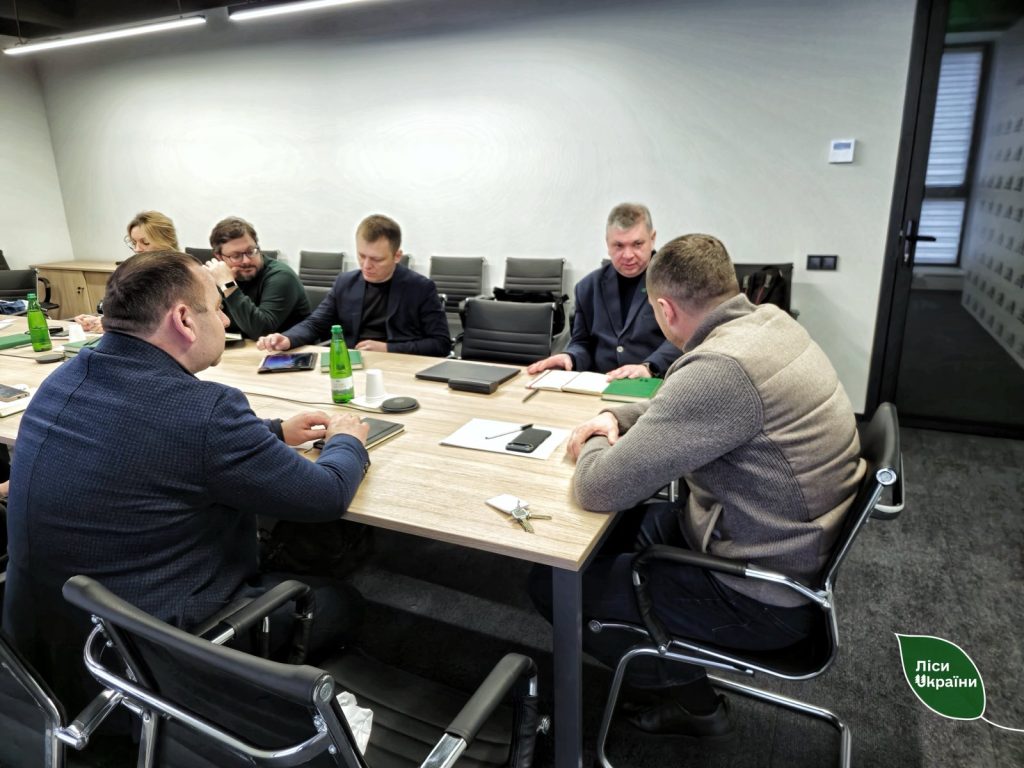
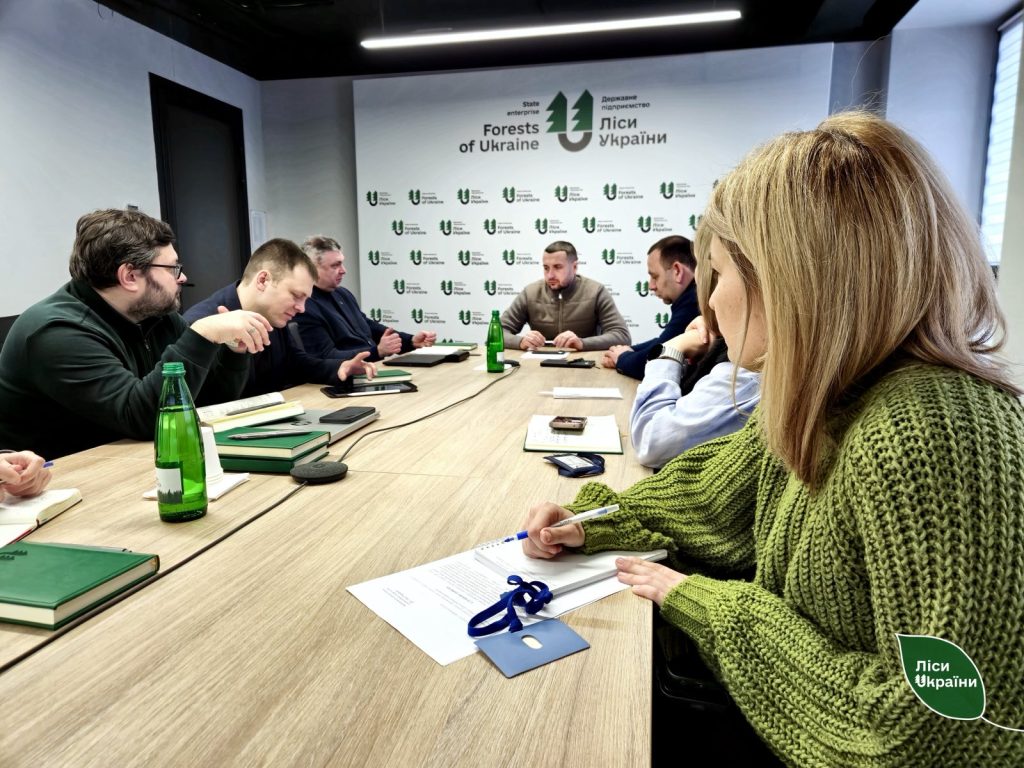
The government’s Made in Ukraine policy, led by Yuliia Svyrydenko, comprises around fifteen programs aimed at developing Ukrainian producers. In 2025, 72,000 Ukrainian enterprises benefited from state support.
“Forests of Ukraine” is ready to contribute to supporting domestic production.
We propose increasing the investment plan of SE “Forests of Ukraine” for 2026 to UAH 4.1 billion. Of this amount, UAH 2.1 billion is for goods and services that can be supplied by Ukrainian manufacturers. This was announced today by the company’s head, Yurii Bolokhovets.
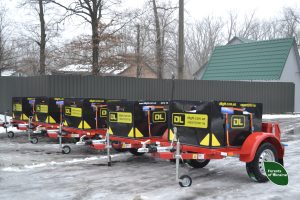
We will start with the procurement of firefighting equipment. UAH 380 million, or 95% of the planned funds, can remain within the Ukrainian economy. Ukraine produces almost everything needed for fire prevention and response — from large fire engines and modules, video monitoring towers to water tanks, ploughs for mineralized firebreaks, and protective clothing.
Investments in reforestation equipment amount to UAH 80 million. Most of the required tools (disc harrows, mulchers, seeders, etc.) can be supplied by Ukrainian manufacturers.
Unfortunately, modern logging machinery (harvesters, forwarders, skidders, etc.) is not manufactured in Ukraine. We plan to deliver this equipment directly, without intermediaries, from manufacturing plants in European countries. At the same time, we are ready to purchase Ukrainian-made trailers and semi-trailers, as well as low-bed trailers for transporting special equipment, totaling over UAH 100 million.
More than UAH 621 million has been allocated this year for the construction of forest roads. Roads mean increased harvesting volumes, improved fire prevention, and reduced logistics costs. The work is carried out either by the enterprise’s own teams or by Ukrainian contractors using local (!) materials — crushed stone, gravel-sand mixtures, cement, and more. All of this is Ukrainian production!
An important area of the company’s development is the expansion of a network of modern forest seed centers, which enable the production of world-class seedlings and significantly improve the efficiency of reforestation efforts. The investment volume is UAH 270 million, of which 90% comprises goods and services offered by Ukrainian manufacturers.
Next month, the Procurement Department of SE “Forests of Ukraine” plans to hold a Supplier Day, presenting the company’s investment programs and planned procurements for 2026–2027 to the business community. We expect feedback on technical specifications, potential “barriers,” and the level of competition.
Our goal is maximum transparency, openness, and predictability in procurement, strengthening trust in public procurement, ensuring equal competitive conditions, and expanding the pool of potential participants.
Clearing these areas using methods applied to agricultural land is not feasible. Manual demining would take decades and require tens of billions in funding.
Janne Harjunpää, a member of the Supervisory Board of SE «Forests of Ukraine» and Chair of the Audit Committee, proposes an innovative approach to addressing this challenge.
The approach involves the use of remote-controlled harvesters to carry out forestry operations in damaged and hazardous areas, preparing the land for subsequent mechanical demining and the restoration of forest stands. The outcome would be the creation of healthy and safe forests.
Applying this approach would make it possible to clear significant areas within a few years. Otherwise, mined forests will remain a constant threat to local communities and a source of large-scale forest fires.
A coordination meeting was held at Forests of Ukraine with the participation of representatives of the State Emergency Service and the State Forest Resources Agency of Ukraine to discuss a roadmap for implementing a pilot project.
Key issues included the development of a regulatory framework that would allow forestry operations in mined areas using specialized equipment, as well as the attraction of grant funding and the adaptation of harvesting machinery.
According to Janne Harjunpää, the project has strong potential for support from international donors. Global manufacturers are ready to assist with adapting the equipment, and there is support from the relevant ministry regarding the regulatory framework.
Importantly, this approach goes beyond demining alone. It represents a comprehensive solution that combines safety, cost efficiency, risk reduction, and economic value creation through the safe use of forest resources and the long-term restoration of forests. As a result, Ukraine has an opportunity to implement a project unprecedented in global practice.